
Fairness is not a buzzword in organic agriculture: it is one of its foundational principles. For IFOAM Organics Europe, fairness means building agri-food systems that ensure equity for all actors, particularly farmers and farmworkers, while respecting planetary boundaries and future generations.
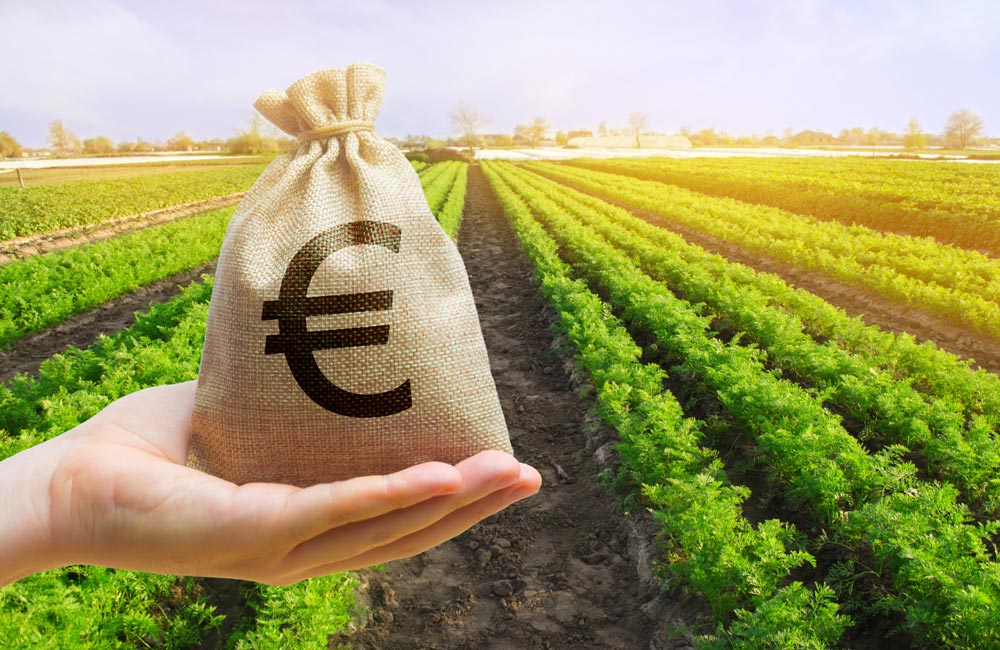
At a time when farmers across Europe are increasingly squeezed between rising production costs and powerful downstream buyers, fairness in price distribution is a critical issue – not just for organic farming, but for the sustainability, resilience and competitiveness of the entire sector.
Organic agriculture, by its very definition, is committed to fair economic relationships. This includes equitable pay, transparent trade relations and long-term contracts. The principle of fairness underpins IFOAM Organics Europe’s multiple calls for the inclusion of environmental and social costs in food pricing (true cost accounting), the elimination of unfair trading practices (UTPs), and the development of transparent value chains.
About 80% of direct payments go to just 20% of beneficiaries
Recent political developments at EU level confirm that the issue of fairness is moving higher on the political agenda. The September 2024 report of the Strategic Dialogue on the Future of EU Agriculture, to which IFOAM Organics Europe President Jan Plagge contributed, explicitly highlights the need to strengthen farmers’ position in the food value chain. It calls for measures that ensure producers receive a fair share of the value generated by the agri-food system. Importantly, this report also recognizes organic as the only sustainability scheme regulated at EU level, with a clear role to play in the transition towards more sustainable food systems.
The EU’s “Vision for Agriculture and Food”, published in February 2025, outlines the need for an agri-food system that provides a fair income for farmers, greater price transparency, and public support that reflects the multiple contributions of sustainable forms of agriculture, such as organic farming, to society. It clearly states that “practices where farmers are systematically forced to sell below costs will not be tolerated.” This is an acknowledgement of the challenges many farmers face and a strong signal that systemic imbalances must be addressed. The Vision also commits to reviewing the Unfair Trading Practices directive and the Common Market Organisation Regulation to improve farmers’ economic standing.
One forum for implementing these commitments is the EU Agri-Food Chain Observatory (AFCO). Launched in 2024, after the farmers protests of 2023/2024, the observatory is tasked with collecting and analysing data on prices, costs, and margins across the agri-food chain. Its mission is to improve transparency, help identify imbalances, and support fairer distribution of value. IFOAM Organics Europe has a seat at the table and calls for more transparency within the supply chain to address the deep-seated power asymmetries that currently define many food supply chains.
Fairness is also a question of market practice. Initiatives like those of NaturaSì, an Italian organic retailer and member of IFOAM Organics Europe, demonstrate what transparency can look like in action. By publishing breakdowns of producer prices and retail margins next to the final price of the product, NaturaSì empowers consumers to make informed choices and rewards producers more justly. This type of voluntary measures reflects the values of the organic movement and have the merit of starting a conversation around a topic that is not usually addressed in a transparent way.
Organic agriculture already offers a concrete model: one that respects planetary boundaries, incentivises vibrant rural economies, and distributes value more equitably
Yet voluntary initiatives alone are not enough. The current Common Agricultural Policy (CAP) still disproportionately supports large farms: about 80% of direct payments go to just 20% of beneficiaries. IFOAM Organics Europe supports ongoing discussions about CAP reform, including calls to redirect support toward farmers who need it the most, including small and medium-sized farms, young farmers, and those delivering public goods such as organic farmers.
Europe must seize the opportunity to make fairness a reality in its agri-food systems. Organic agriculture already offers a concrete model: one that respects planetary boundaries, incentivises vibrant rural economies, and distributes value more equitably. The EU has now recognised this potential in its strategic and political narratives. It is time to turn these words into action by enforcing fair trading rules, promoting transparency, and ensuring that organic farmers are not only agents of sustainability, but also beneficiaries of a just and viable food economy.
- Consider becoming a member of IFOAM Organics Europe!
Author: Silvia Schmidt, Policy Manager at IFOAM Organics Europe
Subscribe to Bio Eco Actual Newsletter and be up to date with the latest news from the Organic Sector
Bio Eco Actual, International Organic Newspaper
Read Bio Eco Actual