


Between November 10 and 21, the major international climate change conference, COP30, was held in Belém, Brazil. The summit was characterized by a significant and highly ambitious challenge: to establish a global roadmap for the energy transition and the gradual phasing out of fossil fuels, which are the primary contributors to carbon emissions. However, the climate agenda also encompassed other crucial issues, such as climate finance, mechanisms for adapting to climate-related events and the new realities arising from impacts already affecting our daily lives, and the right of communities to exercise sovereignty over decisions concerning their territories.
For two weeks, multilateral meetings have been held continuously with the aim of advancing toward complex objectives. In this regard, we outline below the key points to highlight regarding COP30.
Firstly, climate multilateralism has proven to be virtually impossible. The multiplicity of actors involved in global decision-making, each with highly divergent interests shaped by their geopolitical contexts, has highlighted the considerable difficulty of advancing the implementation of concrete mechanisms and processes. Beyond the establishment of a generic framework for joint action, an agreement was signed to demand greater efforts to meet national emissions targets and to increase financial support for countries in the Global South. Yet, once again, the numerous differences regarding how to progress were laid bare.
The most significant rifts became evident in two major areas: the financing of adaptation and mitigation, and the energy transition toward the phasing out of fossil fuels. In the first negotiation, concerning financing, the debate extended beyond which countries bear the greatest shares of pollution; it also encompassed which states should contribute more, taking into account not only their current levels of emissions but also their historical trajectory and financial capacity. This once again reflects the long-standing debate over “common but differentiated responsibility,” which underscores the divergent perspectives between the Global North and Global South. While there is a shared agreement on the need to increase financing (potentially tripling it by 2035) disagreement persists over who should bear the burden, in what proportion, and which mechanisms are most appropriate, aiming to avoid inequalities resulting from past approaches, such as loans.
The second area of divergence concerns how and when the phase-out of fossil fuels (major sources of carbon emissions) should occur. This issue generates significant controversy for several reasons. First, there are actors who are unwilling to cease the extraction and export of oil and gas, given that these resources remain central drivers of their economies due to their substantial revenues. Conversely, there are actors who support the energy transition but emphasize that it must be socially, economically, and environmentally just, ensuring that systemic inequalities are not perpetuated in the process.
Reaching common decisions has proven nearly impossible, driven not only by clashes of geopolitical and geoeconomic interests but also by the rise of climate denial
Secondly, another important point to highlight is the absence of key international actors, such as the United States presidency, a state responsible for a significant share of global emissions. Trump did not attend the summit, nor did he send representatives, as his administration considers climate change a fallacy, as evidenced by the withdrawal from the Paris Agreement in January 2025. His absence underscored the current political polarization surrounding the climate agenda, particularly the reluctance of the far right, as well as the multiple interests and perspectives that hinder genuine collective action. China, on the other hand, did participate in the talks; however, its proposal lacked ambition, and between the lines, its commercial interests were evident within its plans for the New Green Economy, in which it aims to position itself as a superpower in the leadership of electric vehicles and renewable energy.
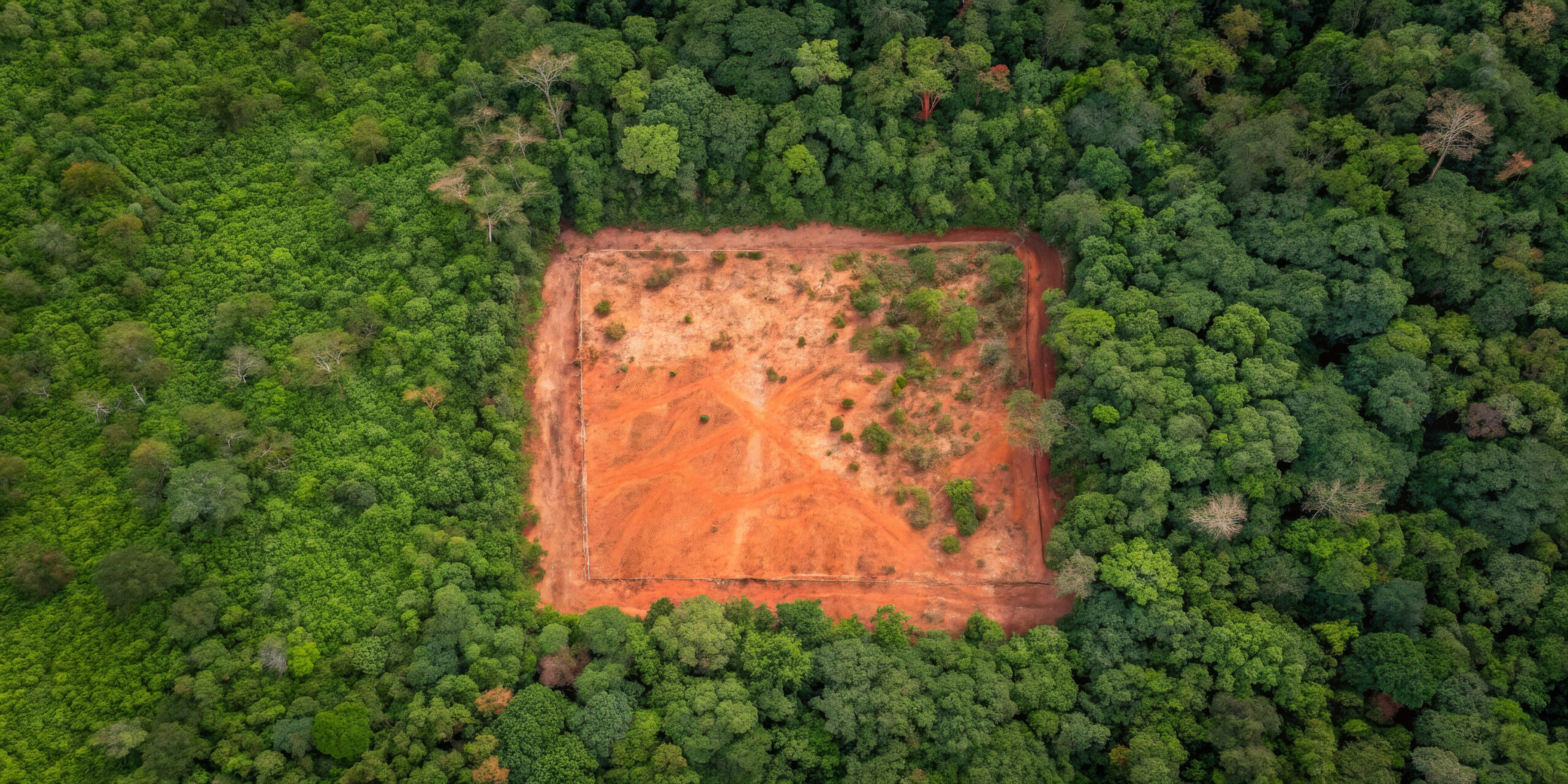
Among the negotiations that did make progress, the creation of a roadmap to halt deforestation stands out, a crucial issue considering the role of biodiversity in combating climate change, particularly given that the summit took place in the heart of the Amazon. Additionally, discussions were held on how technology and artificial intelligence could support the various fronts of the climate agenda, as well as on the transfer of technology to ensure that technical advancements for climate action are truly global. A “Technology Implementation Programme” was approved to deploy climate technologies worldwide. Finally, it is important to mention the approval of the “Belém Action Mechanism (BAM)”, aimed at accelerating the implementation of concrete and effective climate actions, translating debates into specific field-level initiatives. Among its key functions are indicators to coordinate global and local actions, prioritize high-impact measures, and enhance transparency.
Finally, it is highly significant to note the strong social mobilization sparked by COP30, demonstrating the growing pressure from citizens, youth movements, and environmental organizations on governments to accelerate climate action. The streets of Belém were filled with demonstrations demanding more ambitious commitments, denouncing institutional inaction in negotiations, and questioning the established roles in decision-making, underscoring that climate action cannot be solely a technical matter but must also be a social and political imperative.
In conclusion, COP30 has been marked by a lack of ambition and by the inability to advance multilaterally toward shared objectives. In this context, the climate agenda remains entrenched, making it difficult to envision a short-term optimistic outlook, with the certainty of an almost impossible path toward common decision-making, shaped not only by clashes of geopolitical and geoeconomic interests but also by the rise of climate denial.
Author: Gemma Isern Castells, Political Scientist, Master in International Relations, Security and Development
Subscribe to Bio Eco Actual Newsletter and be up to date with the latest news from the Organic Sector
Bio Eco Actual, International Organic Newspaper
Read Bio Eco Actual