

Campaign transitions, market behaviour and outlook for the second quarter.
The first quarter of the year marks a turning point for the European organic avocado market. It is a period defined by the transition between the end of the Spanish season and the start of overseas imports, especially from Peru and, to a lesser extent, from Kenya.
For Biotropic, this period is key to ensuring supply continuity, price stability and consistent quality, in a context of growing demand and increasingly demanding consumers.
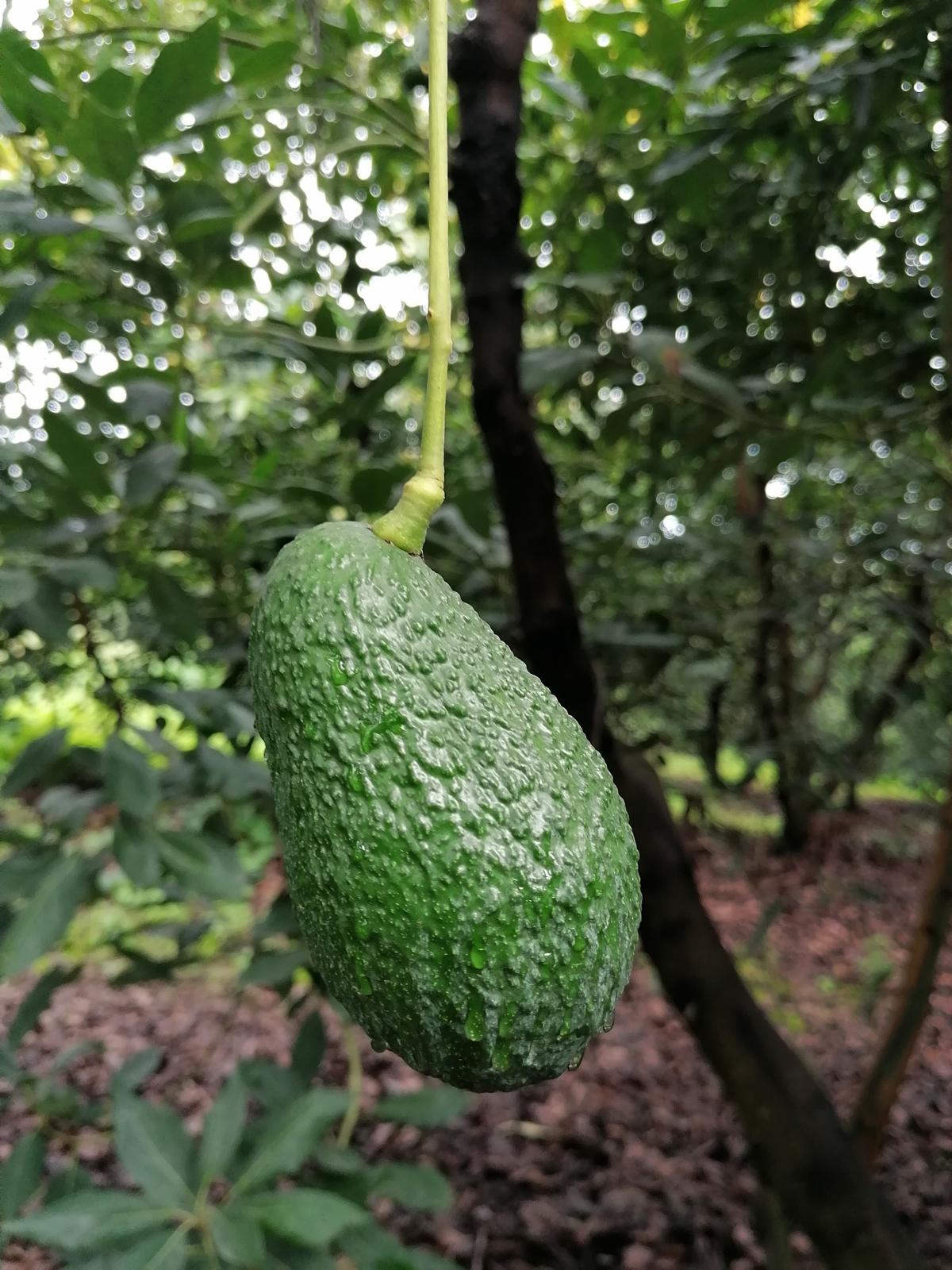
Photography: Biotropic. Hass avocados.
End of the Spanish season: quality, availability and challenges
Between November and April, Spain supplies the European market with organic varieties such as Hass, Fuerte and Bacon. During the first quarter, the Hass variety remains the benchmark, although its availability gradually declines, especially in March.
The 2025/2026 season has been marked by intense rainfall and sharp temperature fluctuations. These climatic conditions have had a direct impact on production, with good quality in medium calibres, especially between 22 and 26, lower availability of large calibres, delayed ripening and greater post-harvest sensitivity. Added to this is increasing variability in yields, driven more and more by patterns associated with climate change.
This scenario requires careful stock management and early planning for the transition to other origins, while maintaining quality standards at all times. Coordination between growers, packing facilities and quality teams, together with inspection, cold chain and document control services, is part of Biotropic’s regular processes to ensure product consistency.
Preparing for the transition: Peru as a strategic origin
From March onwards, Peru begins to play a more prominent role in European supply. Its production window, which runs until September, makes it possible to bridge the gap between the end of the Spanish season and the start of the African campaign.
Peruvian Hass avocado stands out for its stable and growing volumes, especially in organic production, for its good balance between calibre and dry matter, which is key to the consumer experience, and for its well-established logistics capacity in both sea and air freight for specific situations.
For Biotropic, Peru represents a fundamental pillar within its continuous supply strategy. Forward planning and constant monitoring of quality at origin and destination ensure that the product reaches the market with the standards it demands.
Kenya: a complementary origin in a dynamic market
Although its share is smaller in the first quarter, Kenya plays a relevant role in market stability. It is positioned as a key origin for the European summer and, from March onwards, the first supply programmes were activated and continued into April, with the aim of securing volumes during the months of highest consumption.
Diversifying origins is a strategic tool to mitigate climate, logistics and commercial risks. In Biotropic’s case, Colombia and South Africa are not part of the programme due to the limited availability of certified organic avocado in these origins.
Impact of climate conditions on supply
Climate change is creating an increasingly visible pattern in avocado production. Warmer winters affect flowering, concentrated rainfall events impact nutrient absorption and fruit health, fungal disease pressure increases and irregularities in calibres and yields become more pronounced.
This year’s Spanish season has been a clear example of this trend, with heavy rainfall affecting product uniformity and requiring tighter post-harvest control.
Logistics and quality control: a key factor
During the first quarter, logistics plays a fundamental role. The combination of local and imported fruit requires precise coordination between cold chain services, inspections at origin and destination, document control, and pallet and storage management.
At Biotropic, specialised services such as cold storage, temperature control and monitoring reports ensure that the fruit maintains its integrity throughout the chain. In a market where quality is a decisive factor, these processes add value and help reduce commercial risks.
Geopolitical context: indirect effects on the logistics chain
The escalation of tensions in the Middle East, especially around the conflict between Iran and Israel, has caused significant disruptions to international shipping routes. Although avocado does not depend on this region in terms of production, it is affected at the logistics level.
During the first quarter, vessel rerouting to avoid high-risk areas has been observed, along with transit time increases of between 7 and 14 additional days, higher freight and insurance costs, and lower availability of refrigerated containers due to congestion on alternative routes.
For organic avocado, this means a greater need for forward planning and origin diversification in order to mitigate possible delays.
Outlook for the second quarter
The second quarter will be marked by a gradual increase in volumes from Peru, a more stable entry from Kenya, especially in medium calibres, growing demand associated with the European summer, and greater market sensitivity to internal quality, particularly in terms of dry matter and ripening uniformity.
For operators, this period represents an opportunity to strengthen relationships with strategic clients and reinforce their position as reference suppliers in organic avocado.
According to Isis Lisboa, Key Account Manager at Biotropic, these factors will continue to shape market developments, especially in terms of quality, logistics and the transition between origins.
- Stay up to date with the market through Biotropic. Further information is available at www.biotropic.com, and you can get in touch with their team at spain@biotropic.com.
- LinkedIn: www.linkedin.com/
company/biotropic - WhatsApp Channel: whatsapp.com/channel/
0029Vb3gypN0VycEYIO7Ep0u
Subscribe to Bio Eco Actual Newsletter and be up to date with the latest news from the Organic Sector
Bio Eco Actual, International Organic Newspaper
Read the Bio Eco Actual International Yearbok 2025 – Trends 2026