

Bold, tangy and unmistakably Japanese, umeboshi are one of Japan’s most distinctive preserved foods. Traditionally made from ume fruit, sea salt and red shiso leaves, they are valued for their intense flavour and long-standing role in Japanese cuisine. Clearspring is among the brands continuing this tradition through small-scale organic production in Wakayama, one of Japan’s best-known ume-growing regions.
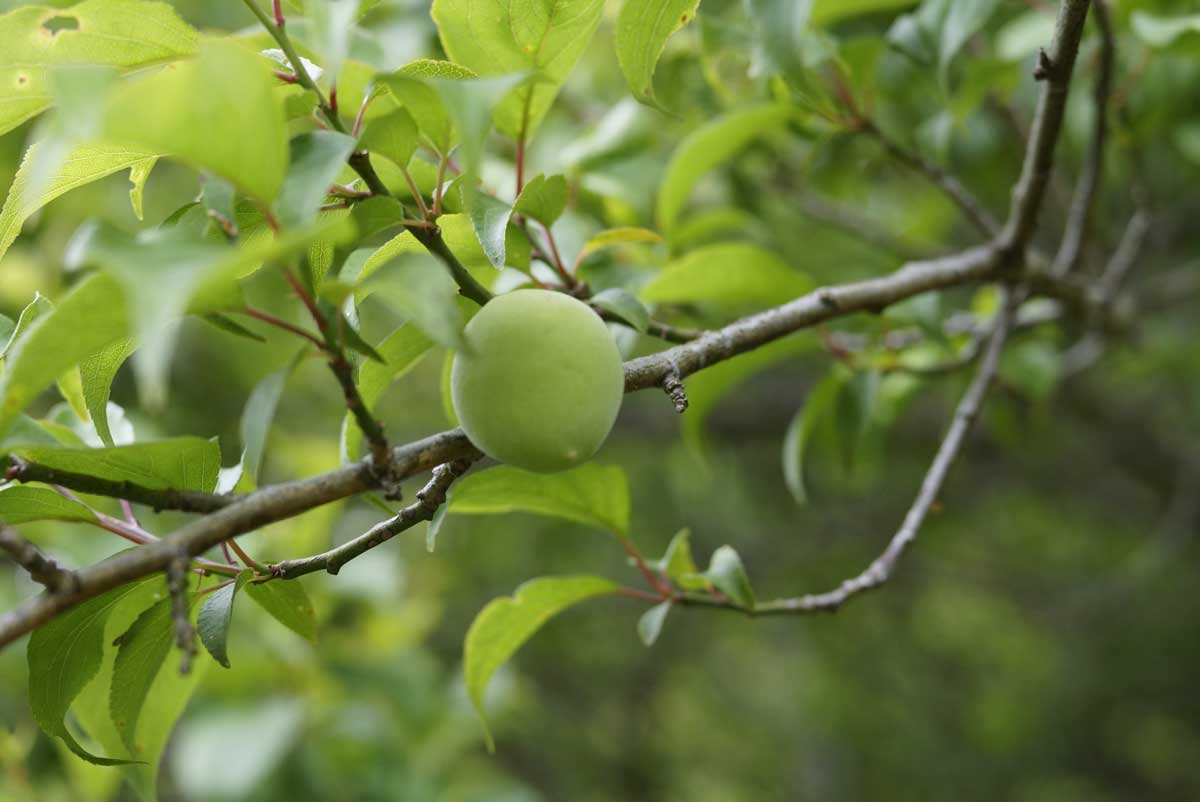
The family producer behind Clearspring’s Organic Umeboshi manages its orchard using organic farming methods and continues to produce umeboshi through a slow, traditional pickling process, preserving techniques closely linked to small-scale agriculture and Japanese food culture.
A slow, traditional production process
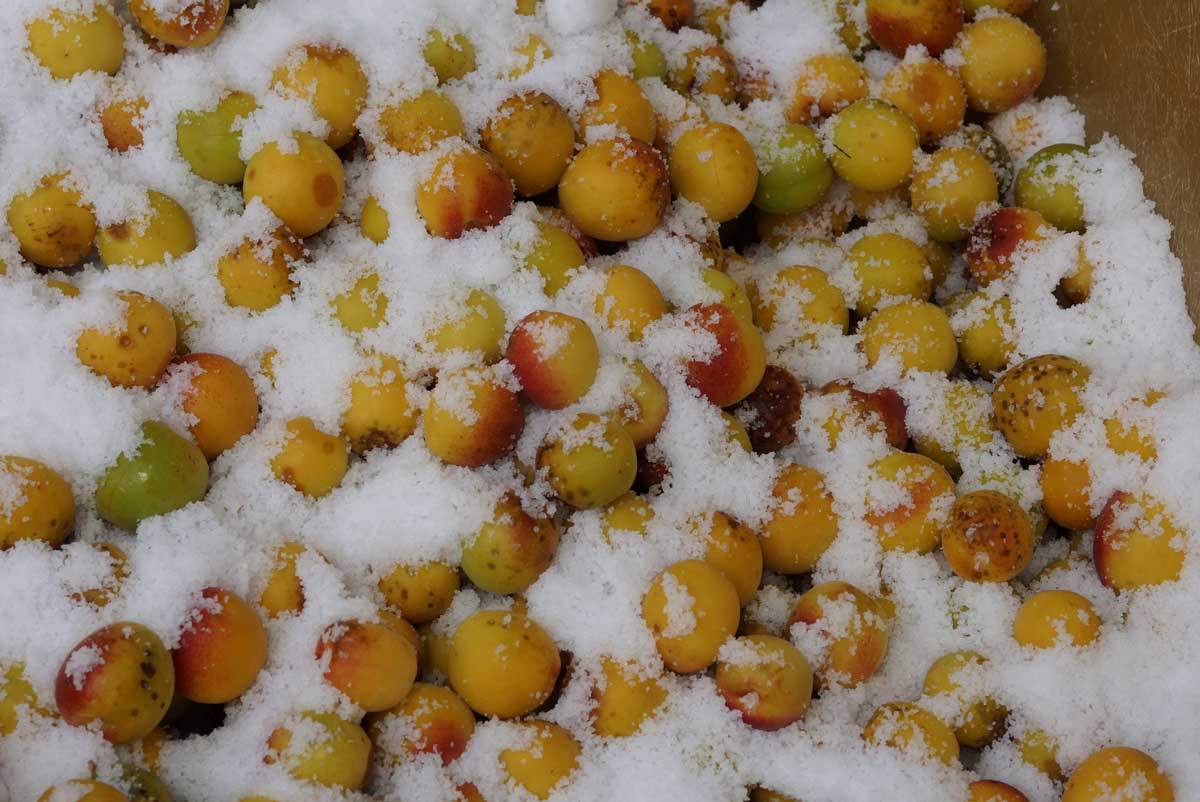
The ume fruit is harvested towards the end of June, when it is partially ripe and still naturally tart. At this stage, the fruit is soaked overnight before being packed into barrels in layers with salt, where it is left to pickle for several weeks.
After this first stage, the fruit is dried in the sun and then undergoes a second, shorter pickling process in a brine made with red shiso leaves. This step gives the umeboshi their characteristic crimson colour and contributes to their distinctive flavour profile. The traditional method requires careful timing and several weeks of preparation.
Umeboshi are characterised by their intense salty and tangy flavour and a production method rooted in Japanese food tradition.
Three ways to enjoy umeboshi
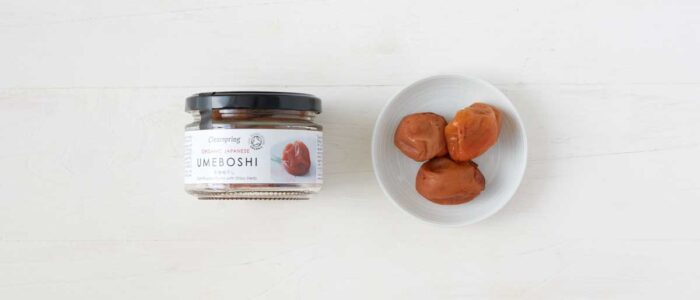
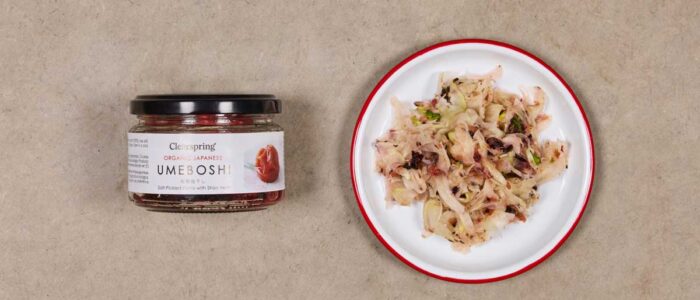
Organic Japanese Umeboshi Plums. Traditional whole umeboshi pickled with sea salt and shiso leaves. They can be eaten as they are or used to add a bold, tangy flavour to rice, vegetables, dressings and other dishes. Clearspring’s Umeboshi Plums received a Great Taste Award in 2024.
Organic Japanese Umeboshi Paste. A smooth and convenient format that can be incorporated into dressings, sauces, grains and vegetable dishes to add the characteristic flavour of umeboshi.
Organic Ume Su. The tangy seasoning left from the umeboshi pickling process. It can be used in dressings, marinades and pickles or simply drizzled over vegetables for a bright, savoury finish.


Bringing umeboshi into everyday cooking
Beyond their traditional uses, umeboshi can be incorporated into a wide range of everyday recipes. Their concentrated flavour means that a small amount can bring a distinctive salty and tangy note to vegetables, grains, sauces and dressings.
For those looking to discover the ingredient, Clearspring suggests a simple overnight pickle made with crisp fennel or cucumber as an accessible way to introduce this traditional Japanese flavour into the kitchen.
Subscribe to Bio Eco Actual Newsletter and be up to date with the latest news from the Organic Sector
Bio Eco Actual, International Organic Trade Media
Read the Bio Eco Actual International Yearbok 2025 – Trends 2026