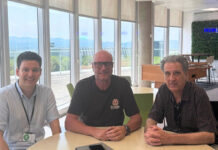

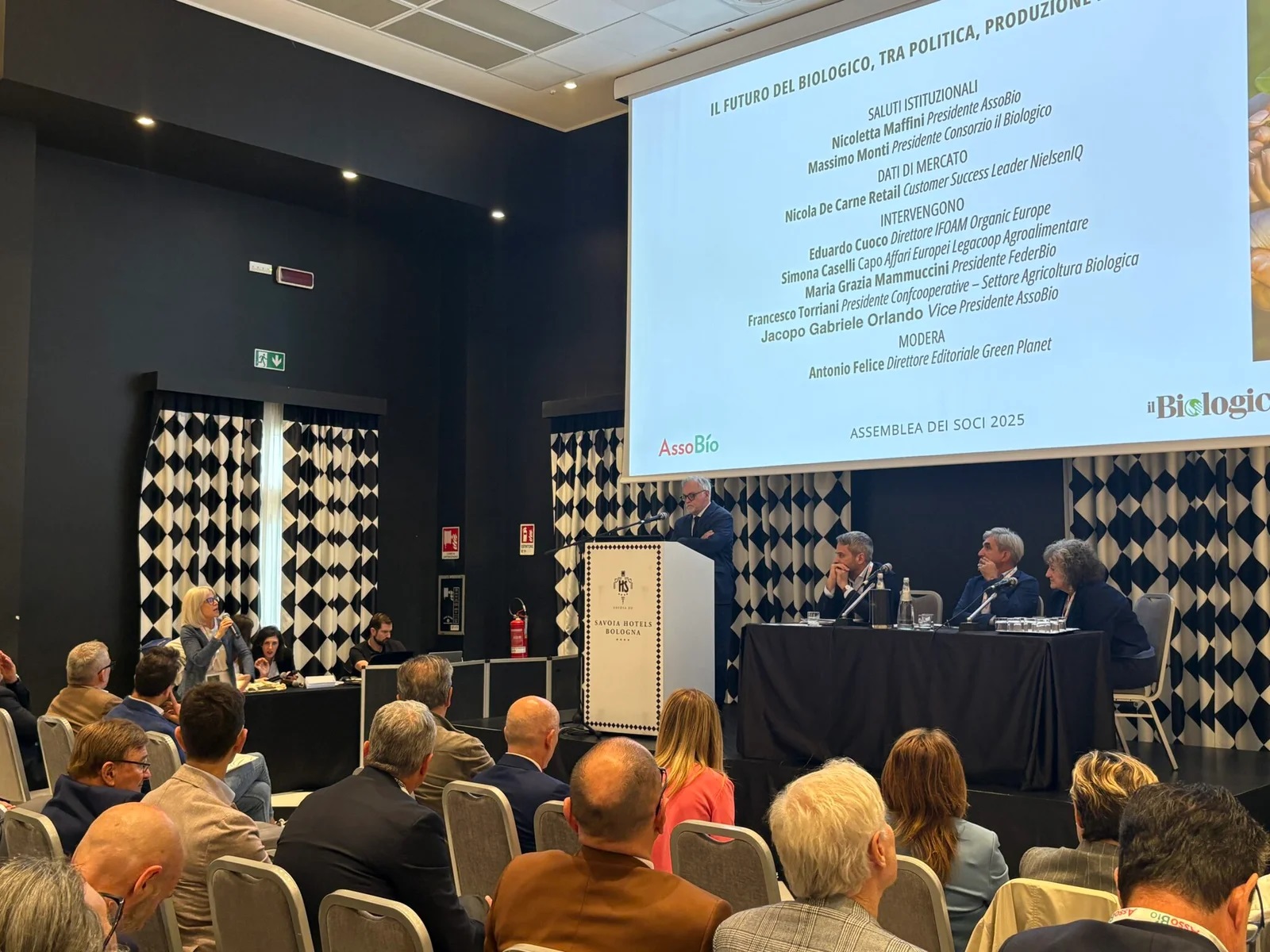
July 16 will be one of the most delicate deadlines for the future of European agriculture. A day in which the Commission will present its proposal for the new EU budget, which will also include the reform of the post-2027 CAP. A proposal that, if confirmed in its current terms, risks weakening the unitary structure of the Common Agricultural Policy, reducing overall resources and delegating management to individual intersectoral national plans based on the PNRR model. It was discussed at length during the public meeting of AssoBio and the Consorzio il Biologico in Bologna.
«The goal is to simplify, but there is a risk of further confusion and, essentially, a reduction in the budget,» commented Simona Caselli, head of European affairs at Legacoop Agroalimentare. «The idea of a single Competitiveness Fund, which combines rural development and cohesion, could lead to the definitive dismantling of the common policy, complicating governance for each Member State. This management method would foreshadow the renationalization of agricultural policies, where, on the other hand, there is a great need to combine efforts and make the most of the potential of the EU single market.»
According to IFOAM estimates, if contributions from each member country are not increased, CAP resources could be reduced by between 10% and 15%. This prospect is alarming to the entire European organic supply chain, which, however, continues to be recognized as a strategic model for the transition.
«Organic is mentioned in the European Vision as a generational lever and reference for sustainability, but we must ensure that this vision is translated into concrete actions,» emphasized Eduardo Cuoco, speaking on behalf of IFOAM Organics Europe. Immediate priorities include recognizing the value of organic actors in ecosystem services and promoting the Sustainability Compass, the tool developed by the international federation of organic agriculture movements to clearly communicate the values of organic farming.
If contributions from each member country are not increased, CAP resources could be reduced by between 10% and 15%
However, at the Italian level, the situation remains complex. «We are still blocked by the effects of the regulatory impact of the pollution decree. It’s time to make our voices heard, also in view of the July 16 deadline,» declared Maria Grazia Mammuccini, president of FederBio. «Organic is still cited as a green model by definition, but any explicit reference to the Green Deal has disappeared from the simplification document. Using simplification to circumvent environmental objectives is a real risk.»
The analysis is linked to the need to address a productive and structural crisis affecting all of Italian agriculture: rising costs, falling production, and difficulties in exporting. Hence the call to relaunch a unified strategy: rebuilding supply chains, strengthening the links between production, processing, and distribution, working on fair prices and environmental value, and promoting ecological taxation and «Made in Italy.»
«Cooperation can play a strategic role,« says Francesco Torriani, president of the organic sector at Confcooperative, «but we need a policy that provides the right tools: today’s service system is broken, and data architecture is becoming an obstacle, not an opportunity.»
The analysis is linked to the need to address a productive and structural crisis affecting all of Italian agriculture, hence the call to relaunch a unitary strategy
At the political level, responsibility is shared. «More than just an environmental issue, the Green Deal has disappeared. We need to regain political strength and learn to work with amendments to build a team at the national level. We need real simplification that doesn’t translate into less environmental impact,» declared Jacopo Orlando, vice president of AssoBio.
In conclusion, a collective call for joint action. «Starting tomorrow, everyone, according to their political role, must work to advance a common goal,« declared Nicoletta Maffini, president of AssoBio, alongside Massimo Monti, president of the Organic Consortium. Joining forces, coordinating the activities of AssoBio, FederBio, and IFOAM, to make our voices heard in Brussels as a system: this is the path we have charted for the future of organic farming and European agriculture on July 16th.
The article PAC post 2027: all’assemblea di Consorzio il Biologico e AssoBio il settore chiama all’unità appeared first on GreenPlanet.

Subscribe to Bio Eco Actual Newsletter and be up to date with the latest news from the Organic Sector
Bio Eco Actual, International Organic Newspaper
Read Bio Eco Actual