

“Despite a decline in volumes, the organic apple sector demonstrates a significant capacity for product valorization.” With this statement, Silvia Piconcelli, national secretary of Confagricoltura Bio, opened the conference “The Time of Organic Apples”, held during the latest edition of Macfrut in Rimini. The results of the ISMEA 2023-2024 analysis were presented at the event, offering an updated picture of the sector’s performance in terms of volumes, prices, sales, and the evolution of distribution channels.
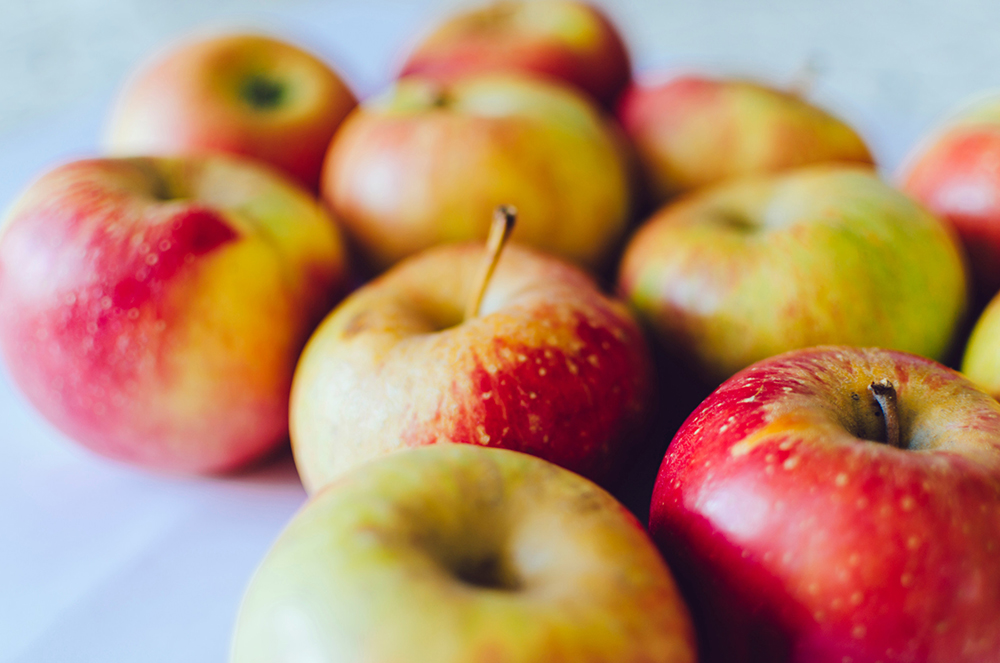
The report, based on NielsenIQ data, highlights a decrease in large-scale retail sales volumes for 2024 compared to the previous year: from 5,850 tons in 2023 to approximately 5,570 tons in 2024. This decline reflects a broader trend within the organic fruit sector, which has been experiencing a challenging phase in terms of consumption for some time. Despite this, sales in value terms show a positive trend: the large-scale retail turnover for organic apples rose from €15.85 million in 2023 to €16.15 million in 2024.
Regarding prices, ISMEA data shows that from 2019 to 2023, the retail price of organic apples was consistently higher than that of conventional apples. However, the gap between the producer price and the consumer price persists: a situation that continues to raise concerns among organic producers, who struggle to fully benefit from the increased perceived value of the market.

The Age of Organic Online
Broadening its focus to the entire fruit and vegetable sector, with specific reference to the online sales channel, the report concluded by emphasizing the undisputed leading role of fruit, accounting for 18% of total e-commerce sales in the organic sector. This percentage, when added to that of organic vegetables (13%), brings the total sales share to over 40%. Fresh organic fruit, in particular, is purchased online by nearly a fifth of those interviewed: this figure highlights how the digital channel is gaining increasing trust, especially among regular organic consumers.
To sum up…
The picture painted by ISMEA is clear: the organic apple growing sector is capable of enhancing its product through careful price management and diversified sales channels. However, the issue of value redistribution along the supply chain remains central, with the aim of ensuring producers receive a more proportionate remuneration compared to the price actually paid by the end consumer. “In this scenario, how can the organic apple growing sector regain market share?” Silvia Piconcelli asks rhetorically. The answer is there, and it involves a paradigm shift: “We could begin to pursue some different marketing strategies that have not yet been fully implemented. I’m referring to promotional programs linked to the launch of organic club varieties, the introduction of new display layouts in stores to present organic products alongside conventional ones, thus allowing a visual comparison of products and prices, or even offering some varieties exclusively in certified versions.”
The article “Il tempo delle mele bio”: ISMEA presenta l’andamento e le prospettive future del settore appeared first on GreenPlanet.

Subscribe to Bio Eco Actual Newsletter and be up to date with the latest news from the Organic Sector
Bio Eco Actual, International Organic Newspaper
Read Bio Eco Actual