

Over the past ten years, organic farming in Italy has experienced a significant expansion, both in terms of consumers and production. This development is reconstructed in the study “ORGANIC FARMING: A Reading of Economic Performance and Market Trends,” conducted by the Centro Studi Divulga, based on multiple official and market sources.
Consumption Growth
Per capita consumption of organic products increased from €35.3 in 2014 to €65.8 in 2024, an 85% increase, reflecting a growing interest in safe, natural, and traceable foods. The overall market value has reached approximately €4 billion.
Fruit and vegetables lead spending, with 24.2% and 18.6% respectively, followed by milk and dairy products (22.2%). Vegetable oils and fats and fresh eggs are also increasing, while organic meats and cured meats have seen a slight decline compared to 2014.
Sales Channels and Consumer Profile
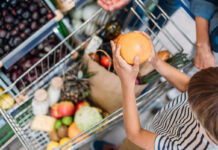
Purchases are primarily made through large-scale retailers (65%) and discount stores (15%), while traditional stores continue to play a significant role, especially for fruit and vegetables and dairy products. The main buyers are young people under 34, over 65, and families with young children. Traceability, naturalness, and food safety remain the key factors in purchasing decisions, while higher prices and a lack of awareness of organic products remain barriers.
Expansion of Organic Land
Organic agricultural areas have grown from approximately 1.5 million hectares in 2014 to over 2.5 million hectares in 2024, equal to 20.2% of total UAA. Southern and Central Italy lead the way: Sicily 402.8 thousand hectares, Puglia 318.5 thousand hectares, and Tuscany 237 thousand hectares.
Operators and Certifications
The number of certified operators grew from 59.4 thousand in 2015 to 97,2 thousand in 2024, a 62% increase, confirming Italy’s position among Europe’s leading organic producers. Most operators are exclusive and mixed producers.
Crop Production
Italian organic production has increased in almost all major categories:
- Permanent food crops: +264.2%, approximately 3.8 million tons in 2023
- Olives: +447%, approximately 1.5 million tons
- Grapes: +297.4%, approximately 993,000 tons
- Wheat and spelt: +260.5%, approximately 764,000 tons
- Fresh vegetables: +188.8% compared to 2014, but -7.6% compared to 2022 On the livestock side, significant increases were recorded in:
Critical Issues and Outlook
Despite steady growth, the Italian organic sector still faces several challenges. The limited availability of certified seeds, higher product prices, and low consumer awareness of organic characteristics are impediments to its full penetration of the domestic market. Strengthening the sector requires consolidating solid supply chains, ensuring transparency and trust in the product, and promoting a greater organic culture. The decade from 2014 to 2024, however, demonstrates that organic is now a consolidated sector, capable of combining environmental sustainability, quality, and attention to consumer health, with prospects for further expansion both domestically and internationally.
The article Il mercato biologico in Italia: un decennio di crescita e trasformazione, appeared first on GreenPlanet.

Subscribe to Bio Eco Actual Newsletter and be up to date with the latest news from the Organic Sector
Bio Eco Actual, International Organic Newspaper
Read Bio Eco Actual