
Beneath our feet lies one of the most complex and least understood ecosystems on Earth. Soil biodiversity, the life hidden belowground, supports healthy ecosystems, productive agriculture, and climate resilience.
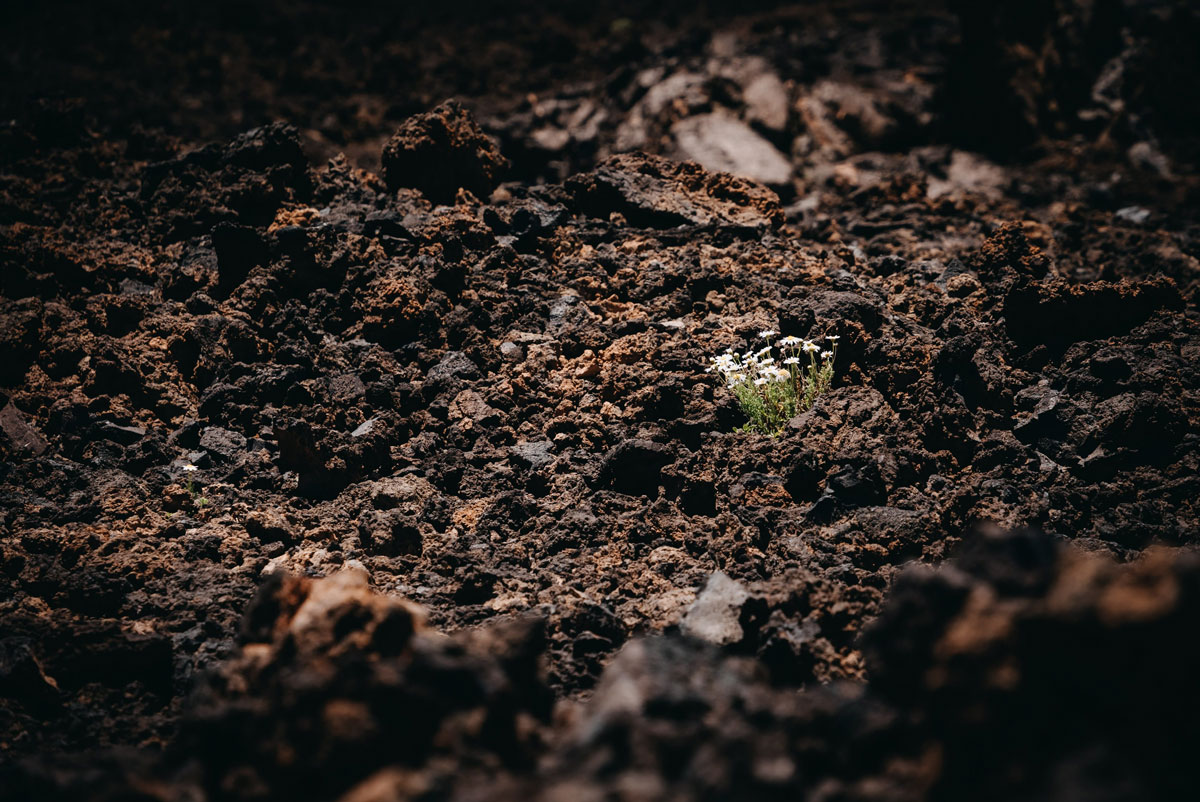
Healthy soils at the heart of a sustainable planet
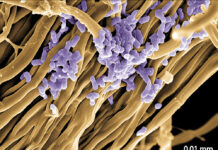
Soils may host around 60% of all life on Earth, and a single gram can contain more organisms than there are people on the planet. This hidden world includes bacteria and fungi, microscopic protists and nematodes, small arthropods such as mites and collembolans, and larger organisms like earthworms, insects, and burrowing mammals.
Despite this remarkable diversity, scientists estimate that only about 1% of soil species have been described. Much of this underground life remains unknown, often called microbial dark matter. Yet its role is fundamental. Soil organisms form complex and dynamic communities that regulate nutrient cycling, decompose organic matter, and support plant growth. They also influence water retention and help control pests and diseases. In simple terms, many of the benefits we obtain from ecosystems depend on life belowground.
Soils also play a key role in climate regulation. Soils can store more carbon than the atmosphere and vegetation combined, making them central to the global carbon cycle. Healthy soils can therefore contribute to both climate mitigation and adaptation, while sustaining productive agricultural systems. Protecting soil biodiversity is not only an environmental concern. It is also essential for food security, ecosystem resilience, and long-term ecosystem sustainability.
Soil biodiversity under increasing pressure
Despite its importance, soil biodiversity is declining worldwide. Human activities are placing growing pressure on soil ecosystems, often in ways that remain largely unnoticed. Intensive agricultural practices, land-use change, pollution, urban expansion, and the excessive use of synthetic fertilizers are among the main drivers of soil degradation. Climate change further amplifies these pressures by altering soil temperature and moisture conditions, with direct consequences for soil communities. As soil biodiversity declines, soils become less able to function properly. This can reduce soil fertility, limit crop productivity, and weaken the capacity to store carbon and regulate water flows. In the long term, these changes threaten both environmental stability and sustainable food production.
Scientists estimate that only about 1% of soil species have been described
In response, the European Union has made soil protection a priority. The EU Soil Strategy for 2030 aims for all European soils to be healthy by 2050, supported by the recently adopted Soil Monitoring Law, which seeks to harmonise soil assessment and restoration efforts across Member States. Other initiatives, including the EU Biodiversity Strategy for 2030, the Common Agricultural Policy, and the EU Soil Observatory (EUSO), contribute to improving soil monitoring, promoting sustainable land management, and strengthening the scientific knowledge needed to guide policy decisions. Within this framework, research and innovation play a crucial role in understanding how soil ecosystems function and how they can be protected.
BIOservicES: uncovering how soil biodiversity supports ecosystem services
One initiative contributing to this effort is BIOservicES, a Horizon Europe research project coordinated by the Universidad Politécnica de Cartagena. The project brings together an international and multidisciplinary team of scientists to better understand how soil biodiversity supports ecosystem services across Europe. Although scientists have long recognised that soil organisms are essential for ecosystem functioning, many questions remain unanswered. Which organisms are most important for delivering key ecosystem services? How do different land uses affect soil communities? And how might climate change alter these relationships?
BIOservicES aims to address these questions by studying soil biodiversity across a broad range of environments. Researchers have established 25 experimental sites across five European biogeographic regions (Alpine, Atlantic, Boreal, Continental, and Mediterranean) representing diverse land uses such as agricultural, forest, urban, mining, and semi-natural ecosystems. By analysing these contrasting environments, the project seeks to identify keystone soil organisms that play a particularly important role in sustaining ecosystem functions. The results will contribute to the development of new indicators and monitoring tools that can help scientists, policymakers, and land managers assess soil health more effectively.
Many of the benefits we obtain from ecosystems depend on life belowground
In addition, BIOservicES is exploring how soil biodiversity responds to climate change. At several experimental sites, researchers are installing open-top chambers to simulate higher temperatures, enabling them to observe how soil organisms and ecosystem functions respond to warming.
The knowledge generated by BIOservicES will support the design of better strategies for soil protection and sustainable land management, helping translate scientific discoveries into practical tools for farmers, land managers, and policymakers. By generating new knowledge and practical tools, the project aims to support more sustainable land management. Ultimately, it helps highlight a simple idea: protecting the life below our feet is essential for resilient ecosystems, sustainable agriculture, and climate stability.
Authors: Natalia Rodríguez-Berbel1,2, Stefanie Schulz2, Michael Schloter1,2, Raúl Zornoza3,4 and Eva Lloret3,4.
1 Department of Ecology and Ecosystem Management, TUM School of Life Science Weihenstephan.
2 Research Unit Comparative Microbiome Analyses, Helmholtz Zentrum München.
3 Department of Agricultural Engineering, Universidad Politécnica de Cartagena.
4 Instituto de Biotecnología Vegetal (IBV), Universidad Politécnica de Cartagena.
Subscribe to Bio Eco Actual Newsletter and be up to date with the latest news from the Organic Sector
Bio Eco Actual, International Organic Newspaper
Read the Bio Eco Actual International Yearbok 2025 – Trends 2026