
Food processing is an integral part of our daily lives. The majority of food products that we eat are processed to some extent, from freshly baked bread to pure fruit juice. There are some 86,000 organic processing companies rooted in European regions, generating wealth and quality jobs in the green economy. They transform the organic agricultural commodities that are produced in the EU and transform them into high quality foods that meet the needs of consumers, at home and abroad.
In doing so, they preserve the valuable natural properties of the raw materials through gentle processing methods. Organic processors are as diverse as the gastronomic traditions and flavours which make up a part of the identity and cultural heritage of European regions. Three flagship companies explain their model and what would make their journey easier.

MEURENS NATURAL: Cooking up the future
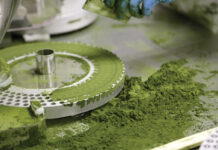
An example of an innovation-minded company located in the Belgian R&D landscape, Meurens Natural supplies the organic processing industry with non-refined cereal and dried fruit extracts produced through environmentally friendly processes. Innovation is at the core of the company: its research and development team is dedicated to developing tailor-made ingredients for its customers.
The main stumbling block to overcome? “A level playing field with our international competitors” says Benedicte Meurens, CEO of Meurens Natural. “In an increasingly global organic market, European companies need the tools to remain competitive”.
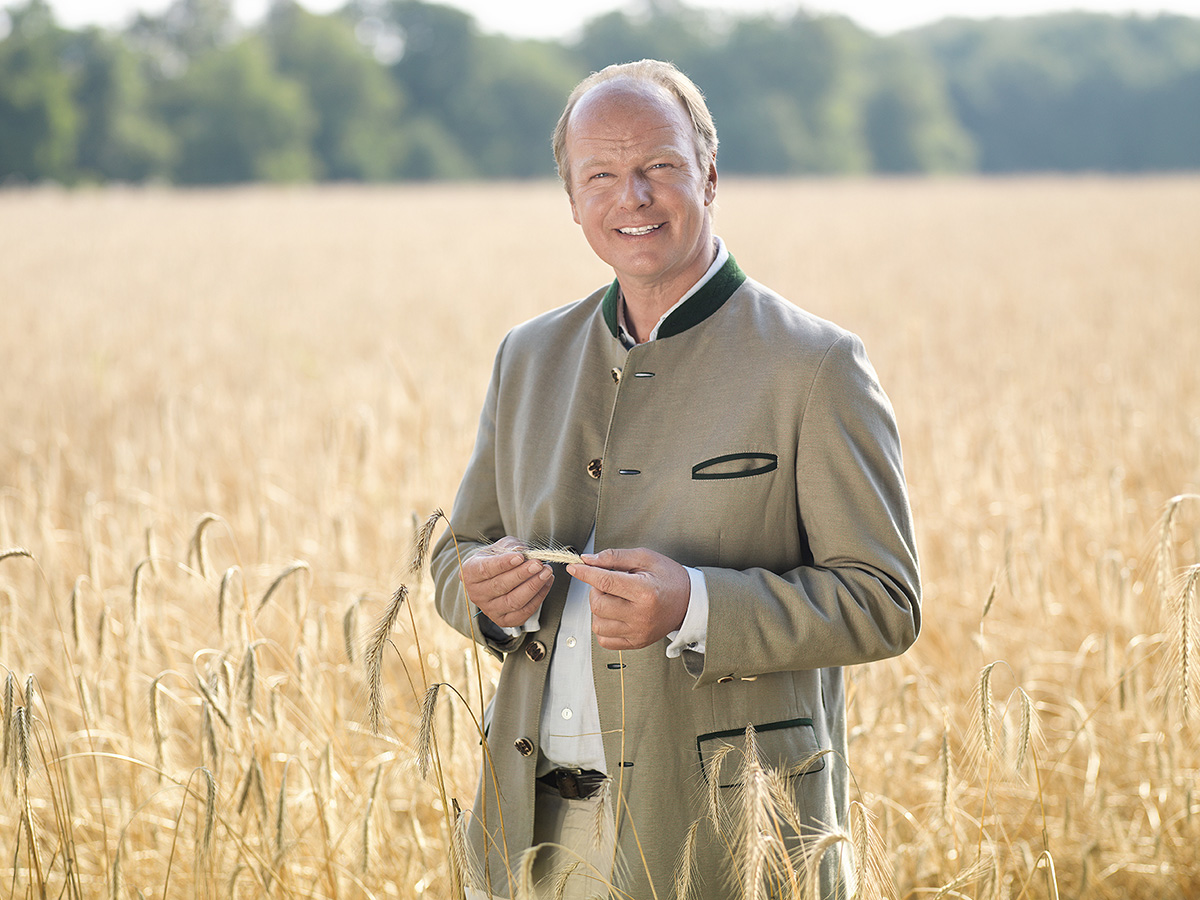
HIPP GRUPPE: Promoting excellence worldwide
HiPP, a family-owned company that has been a pioneer in promoting organic farming for almost 70 years, is one of the largest processors of organically grown raw materials worldwide. HiPP is driven by respect for the environment and the preservation of nature, people and the economy. HiPP high-quality organic products are highly appreciated in foreign markets and are now available in more than 60 countries. “Exporting to various foreign markets has allowed the company to diversify and remain resilient in difficult times,” said Stefan Hipp, CEO.
What do we need to continue growing worldwide? “We need more trade agreements to achieve automatic acceptance in export markets of products that have been produced according to EU organic standards. This will reduce bureaucracy and certification costs.”
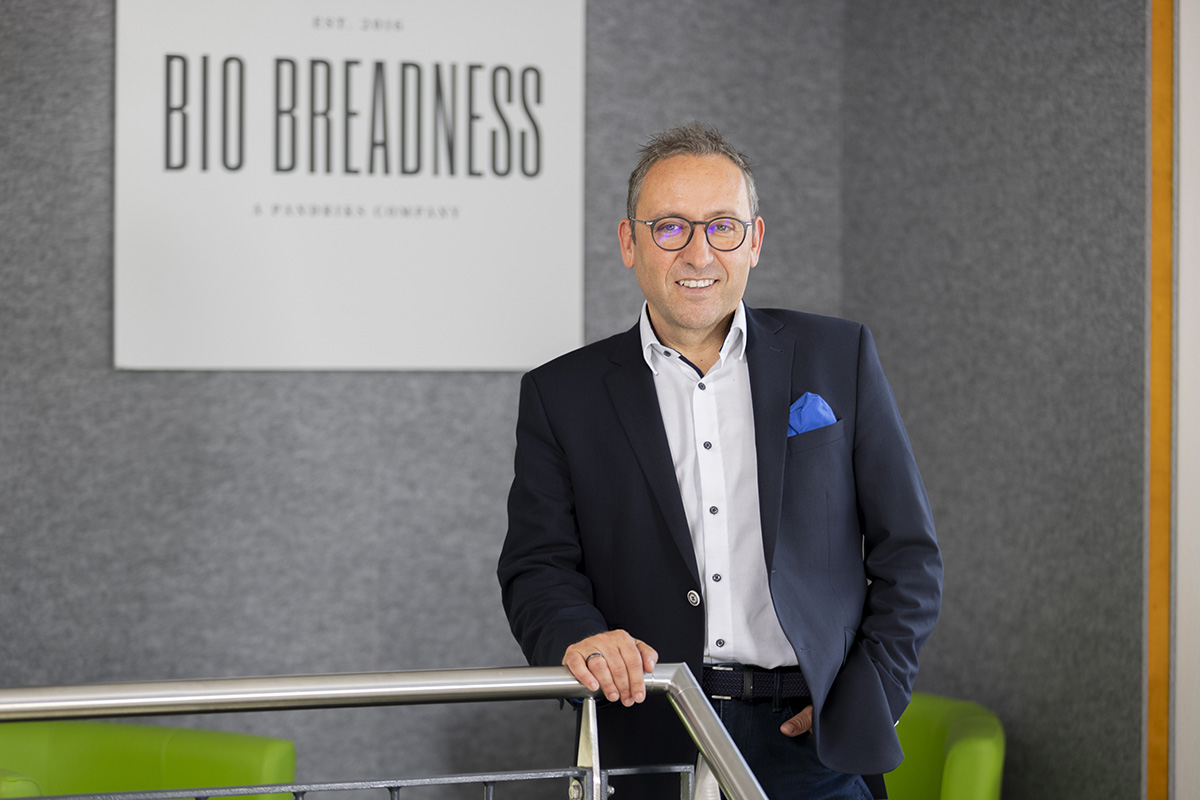
BIO BREADNESS: Our daily organic bread
It is above all the variety of German bread and baking traditions that makes it unique: with more than 3,000 different types of bread shaped by the geography and climate of the individual regions, Germany has bread to suit every taste. In Fulda (Hessen), Bio Breadness has rethought the standards in bread making. Combining the old principles with the most modern technology, it has developed a unique concept for pure and honest bread of the highest quality, with 100% natural ingredients, without any artificial additives and baked on a stone oven floor.
What do we need to improve the company’s prospects? “More tools and less rules” says Andreas Swoboda, Managing Director. “It may sound cliché, but the reality of organic companies is a multiple layer of European, national and regional obligations. SMEs simply cannot cope with the regulatory burden and the cost it entails”.
Author: Aurora Abad, OPTA Secretary General
Consider becoming a member of OPTA, the Organic Processing and Trade Association.

Published in the BIOFACH 2025 Bio Eco Actual Special Edition.
Subscribe to Bio Eco Actual Newsletter and be up to date with the latest news from the Organic Sector
Bio Eco Actual, International Organic Newspaper
Read the BIOFACH 2025 Bio Eco Actual Special Edition