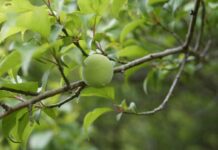


Guarana is an Amazonian plant best known for the naturally occurring caffeine found in its seeds. It is commonly used in powders, food supplements, energy drinks and sports products to increase alertness and reduce tiredness.
Although guarana is a natural ingredient, its stimulant effect should not be underestimated. The effects depend on the concentration of the product, the quantity consumed and the total amount of caffeine obtained from coffee, tea, energy drinks, chocolate and other sources throughout the day.

What is guarana?
Guarana comes from Paullinia cupana, a climbing plant native to the Amazon basin and particularly associated with Brazil. Its red fruits open when ripe, revealing dark seeds surrounded by white flesh.
Guarana has a long history of use among Indigenous Amazonian communities. Its seeds have traditionally been dried, roasted and ground to prepare stimulating drinks associated with alertness, energy and endurance.
Today, guarana is used internationally in a wide variety of products, including:
- Guarana powder
- Capsules and food supplements
- Dry and liquid extracts
- Energy drinks and soft drinks
- Sports and pre-workout products
- Functional foods
The main active compound in guarana is caffeine. Its seeds also contain tannins and polyphenols, including catechins and procyanidins, although their concentration varies according to the plant variety, growing conditions and processing method.
Guarana at a glance
- Scientific name: Paullinia cupana
- Origin: Amazon basin
- Main active compound: Caffeine
- Common uses: Alertness, energy and sports supplements
- Available as: Powder, capsules, extracts and beverages
- Main precaution: Total caffeine intake should always be considered
How much caffeine does guarana contain?
Guarana is one of the plants with the highest naturally occurring concentrations of caffeine. The dried seeds commonly contain approximately 2% to 6% caffeine by weight, although the exact amount can vary substantially between plant varieties and processed products.
This does not mean that every guarana product contains more caffeine than every cup of coffee. The relevant figure for consumers is the number of milligrams of caffeine in the serving actually consumed.
A concentrated guarana extract may provide considerably more caffeine than a larger quantity of a less concentrated powder. Some energy drinks and supplements also combine guarana with added caffeine, green tea, coffee extract or other stimulant ingredients.
Always check the number of milligrams of caffeine per serving. The word “guarana” on the label does not reveal the actual stimulant dose.
When the caffeine content is not clearly stated, it becomes difficult to compare products or calculate total daily intake.
Is guarana caffeine different from coffee caffeine?
The caffeine in guarana is chemically the same substance as the caffeine found in coffee, tea, yerba mate and cocoa. It is sometimes called “guaranine”, but this term does not describe a different stimulant molecule.
Some products claim that guarana provides a smoother or longer-lasting energy boost than coffee. This may partly reflect differences in formulation, digestion and the presence of tannins and other plant compounds. However, the main stimulant effect still comes from caffeine.
The intensity and duration of the effect depend on several factors:
- The amount of caffeine consumed
- The concentration of the product
- Whether it is consumed with food
- Body weight and individual metabolism
- Habitual caffeine consumption
- Personal sensitivity to stimulants
- The time of day when it is consumed
People who regularly consume several cups of coffee may notice a weaker effect than those who rarely consume caffeine. Conversely, caffeine-sensitive individuals may experience unwanted effects even after a relatively small dose.
Guarana versus coffee
| Characteristic | Guarana | Coffee |
|---|---|---|
| Botanical source | Seeds of Paullinia cupana | Seeds of plants from the Coffea genus |
| Main stimulant | Caffeine | Caffeine |
| Usual formats | Powder, capsules, extracts and energy drinks | Brewed coffee, espresso, instant coffee and extracts |
| Caffeine concentration | Can be high in the dried seed and concentrated extracts | Varies according to the bean, serving size and preparation method |
| Other compounds | Tannins, catechins and procyanidins | Chlorogenic acids and other polyphenols |
| Main precaution | The dose can be difficult to estimate in concentrated products | Large or repeated servings can considerably increase daily intake |
Neither guarana nor coffee is automatically healthier. The caffeine dose, product formulation, additional ingredients and individual circumstances are more important than the botanical source of the stimulant.
What are the potential benefits of guarana?
Increased alertness and reduced tiredness
The clearest and best-established effect of guarana is related to its caffeine content. Caffeine stimulates the central nervous system and can temporarily increase alertness and reduce the perception of fatigue.
This may be useful during periods of tiredness or when sustained attention is required. However, the effect is temporary. Guarana cannot replace adequate sleep, regular rest or a balanced diet.
Using stimulants repeatedly to compensate for insufficient sleep can also interfere with subsequent sleep and create a cycle of tiredness and increasing caffeine consumption.
Attention and cognitive performance
Guarana is frequently promoted for concentration, memory and mental performance. Some studies have examined whether guarana extract produces cognitive effects beyond those expected from caffeine alone.
Research has identified possible modest improvements in certain measures of attention and response speed. However, the results are not consistent across all studies or cognitive tasks.
It is reasonable to state that guarana may support alertness, primarily because it contains caffeine. It should not be presented as a proven treatment for memory problems or as a substance that dramatically improves intelligence or mental capacity.
Physical performance
Caffeine has been extensively studied in relation to exercise and may influence alertness, perceived effort and physical performance under certain conditions. The evidence specifically concerning guarana is more limited.
Some sports supplements use guarana as a natural source of caffeine, either alone or combined with other stimulant ingredients. The actual effect depends largely on the caffeine dose and the individual’s tolerance.
Taking more does not necessarily produce a better result. Excessive caffeine before exercise may cause nervousness, digestive discomfort, palpitations or difficulty controlling effort.
Antioxidant compounds
Guarana seeds contain polyphenols such as catechins and procyanidins. These substances have shown antioxidant activity in laboratory studies.
Antioxidants help protect cells from oxidative damage. However, the presence of antioxidant compounds in a plant does not automatically prove that a supplement prevents disease or produces a significant clinical benefit.
More human research is needed before broader health claims can be made about the antioxidant properties of guarana.
Does guarana help with weight loss?
Guarana is often included in products marketed for weight control or fat burning. It is commonly combined with caffeine, green tea, yerba mate or other stimulating ingredients.
Caffeine may temporarily increase energy expenditure and can reduce the perception of fatigue during exercise. Nevertheless, there is not enough high-quality evidence to conclude that guarana alone produces meaningful or lasting weight loss.
Any short-term metabolic effect is unlikely to compensate for dietary habits, physical activity, sleep, stress and other factors that influence body weight.
Products promising rapid weight loss solely through guarana should therefore be viewed critically. A natural ingredient does not automatically make an exaggerated commercial claim reliable.
How is guarana consumed?
Guarana is available in several formats. Powder can be added to water, juice, smoothies or food. Standardised extracts are commonly sold in capsules or incorporated into manufactured beverages and sports products.
The concentration varies significantly between products. One spoonful of powder cannot be assumed to contain the same amount of caffeine as a capsule, another brand of powder or a ready-to-drink beverage.
Before consuming a guarana product:
- Read the caffeine content per serving
- Check whether it contains additional caffeine
- Consider coffee, tea and energy drinks consumed on the same day
- Follow the serving instructions on the label
- Avoid consuming it close to bedtime
- Do not combine several stimulant supplements
- Start with a low amount when personal tolerance is unknown
Products that do not clearly state their guarana concentration or caffeine content make informed consumption more difficult. Transparent labelling is especially important in concentrated extracts and supplements.
How much guarana is safe?
There is no single amount of guarana powder that is suitable for every person or every product. Safety should be assessed according to the quantity of caffeine provided, not simply the weight of the guarana ingredient.
According to the European Food Safety Authority, single caffeine doses of up to 200 mg do not generally raise safety concerns for healthy adults. A total daily intake of up to 400 mg from all sources is also considered safe for most healthy adults.
These figures include caffeine from:
- Guarana
- Coffee
- Tea
- Yerba mate
- Energy drinks
- Cola beverages
- Chocolate
- Food supplements
A dose of around 100 mg consumed close to bedtime may affect sleep duration or sleep quality in some adults. People who are particularly sensitive to caffeine may experience effects at lower quantities.
During pregnancy, total caffeine intake should generally be limited to 200 mg per day. Pregnant or breastfeeding women should discuss concentrated guarana supplements with a qualified healthcare professional.
Possible side effects of guarana
Since guarana contains caffeine, its possible adverse effects are similar to those associated with other caffeinated products.
Possible side effects include:
- Difficulty sleeping
- Nervousness or restlessness
- Anxiety
- Headache
- Trembling
- Digestive discomfort
- Nausea
- Increased heart rate
- Palpitations
- Temporary increases in blood pressure
The risk increases with higher doses, concentrated extracts and combinations of several caffeine sources. Consuming guarana together with strong coffee, energy drinks or pre-workout supplements can make it easy to exceed the intended amount.
Regular caffeine consumption can also lead to tolerance. This means that a person may gradually need a higher dose to obtain the same perceived effect.
Stopping caffeine suddenly after regular consumption may cause temporary withdrawal symptoms, including headache, tiredness, irritability and difficulty concentrating.
Who should be particularly cautious?
Professional advice should be sought before consuming concentrated guarana supplements in the case of:
- Pregnancy or breastfeeding
- Cardiovascular conditions
- Uncontrolled high blood pressure
- Anxiety disorders
- Recurring insomnia
- High sensitivity to caffeine
- Regular use of medicines that may interact with stimulants
Guarana should not be used as a substitute for medical assessment when persistent fatigue, concentration difficulties or unexplained tiredness are present.
Children and adolescents should not consume concentrated guarana supplements without guidance from a qualified healthcare professional. Energy drinks containing guarana or added caffeine are also unsuitable as ordinary hydration products.
How to choose an organic guarana product
Organic certification indicates that the agricultural ingredient has been produced and processed according to applicable organic farming rules.
However, organic certification does not mean that the product is caffeine-free, suitable for everyone or safe in unlimited quantities.
When comparing organic guarana products, look for:
- Recognised organic certification
- A clearly identified country or region of origin
- Traceability throughout the supply chain
- The quantity of guarana per serving
- The caffeine content per serving
- A clear and understandable ingredient list
- No unnecessary added sugars or stimulant blends
- Instructions for use and maximum recommended intake
Responsible sourcing is particularly relevant for a crop originating in the Amazon. Organic farming can help reduce the use of synthetic pesticides, but certification should also be considered alongside transparency, fair commercial relationships and respect for local communities.
Frequently asked questions about guarana
Is guarana stronger than coffee?
Guarana seeds generally contain a higher percentage of caffeine by weight than coffee beans. However, the actual effect depends on the serving size and the number of milligrams of caffeine in the final product. A guarana drink or supplement is not necessarily stronger than a cup of coffee.
Is guarana a natural source of caffeine?
Yes. Caffeine occurs naturally in the seeds of the Paullinia cupana plant. Its natural origin does not mean that concentrated guarana is harmless or suitable for unlimited consumption.
Is guaranine different from caffeine?
No. “Guaranine” is a traditional name sometimes used for the caffeine found in guarana. It is not a separate stimulant molecule.
How long do the effects of guarana last?
The duration varies according to the caffeine dose, product format and individual metabolism. Because the main stimulant is caffeine, the effects can continue for several hours and may interfere with sleep when guarana is consumed late in the day.
Can guarana be consumed every day?
Regular consumption should be considered as part of total daily caffeine intake. People who consume guarana every day should also count caffeine from coffee, tea, chocolate, cola beverages, energy drinks and other supplements.
Does guarana burn fat?
There is insufficient evidence that guarana alone causes significant or sustainable fat loss. Claims that it rapidly burns fat or produces weight loss without broader lifestyle changes are not scientifically established.
Is guarana good for concentration?
Guarana may temporarily support alertness and attention because it contains caffeine. Research into additional cognitive benefits remains limited and inconsistent.
Does guarana provide energy?
Guarana does not provide energy in the same way as calories from food. Its caffeine content stimulates the nervous system and can temporarily reduce the perception of tiredness.
Can guarana affect sleep?
Yes. Guarana can interfere with sleep, especially when consumed in the afternoon or evening. People who are sensitive to caffeine may need to avoid it several hours before bedtime.
Is organic guarana healthier?
Organic certification provides information about the agricultural and processing system. It does not reduce the natural caffeine content or guarantee that the product is appropriate for every person.
This article is for general information only and does not replace individual medical or nutritional advice.
Scientific references
- European Food Safety Authority: Caffeine
- Effect of Guarana (Paullinia cupana) on Cognitive Performance: A Systematic Review and Meta-Analysis
- Molecular and biochemical characterisation of caffeine in guarana
- Guarana: revisiting a highly caffeinated plant from the Amazon
Subscribe to Bio Eco Actual Newsletter and be up to date with the latest news from the Organic Sector
Bio Eco Actual, International Organic Newspaper
Read Bio Eco Actual