
France’s organic market finds itself at a crossroads: structurally strong and innovation-driven, yet subject to short-term headwinds that invite prudent realism alongside constructive optimism.
After two decades of sustained expansion, the sector has experienced a moderation in recent years. National statistics published by Agence BIO show that France remains one of the world’s largest organic markets, with turnover in the low-double billions and a market share measured in single digits of total food sales, but the pace of growth has eased and some indicators have contracted. In particular, 2023 and 2024 saw a slowdown in the expansion of organic farmland and a reshaping of distribution patterns. Structural themes explain the current profile and will determine the near-term trajectory.
Consumer resilience
Consumption of organic products in France remains broad and culturally embedded, yet inflation and reduced food budgets have compressed the organic share of consumers’ baskets. Analysts report a slight dip in the share of organic in household food spending even as organic price inflation has been, in some periods, lower than that of conventional products. This dynamic points to resilience rather than collapse, and it favours mid-to-premium propositions that clearly communicate provenance, seasonality and nutritional benefit.
Channel rotation
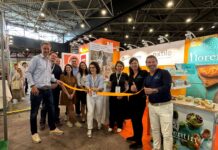
The specialized retail (Biocoop and La Vie Claire, among other groups, independents and farmer direct channels) have shown relative strength, while parts of the mass retail channel and some branded specialist chains have faced retrenchment and restructuring. Events and trade hubs such as NATEXPO continue to act as crucibles for repositioning: they spotlight innovation (product reformulation, sustainable packaging, plant-based alternatives and organic cosmetics) and encourage strategic partnerships between manufacturers and distributors.
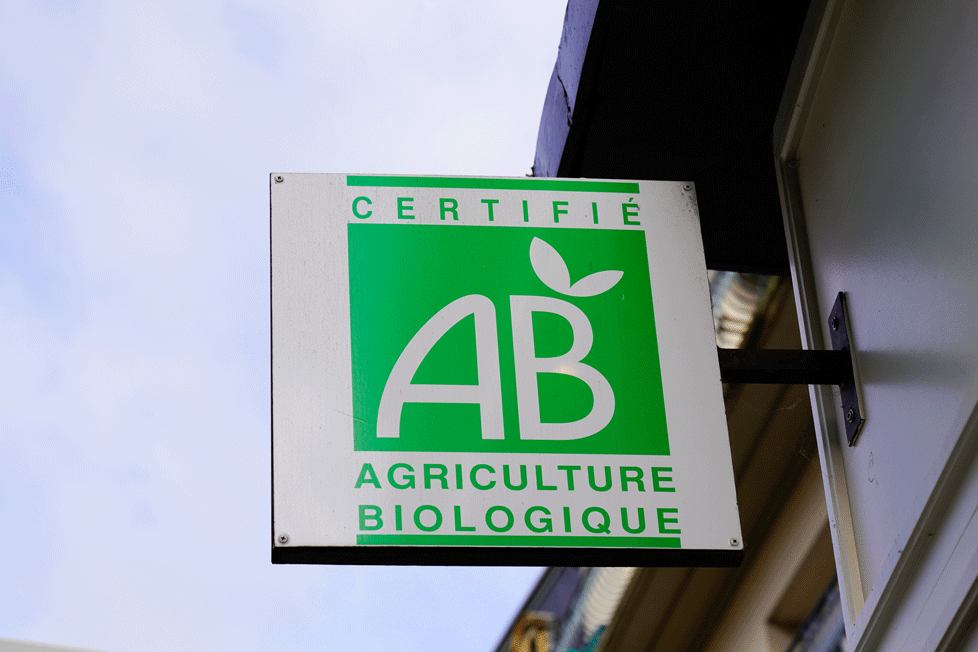
After two decades of sustained expansion, the sector has experienced a moderation in recent years
Latest data trends
Recent data published by PLAN BIO further support this differentiated channel performance. According to its 2025 assessment of specialist organic retailers -based on responses from 19 out of 22 major specialist chains- the specialised organic retail network recorded average sales growth of 8.2% year-on-year, broadly in line with 2024. For the first time, cumulative turnover across specialist chains has exceeded the €4 billion threshold, confirming their central role in sustaining the French organic market during a period of wider consumption pressure. Growth has been driven primarily by leading cooperative and franchise models, while network rationalisation continues among smaller or structurally weaker players in a sign of consolidation.
Policy pressures
The observed reduction of organic cultivated area in 2024, concentrated in some arable categories, signals that conversion economics and climatic variability are placing pressure on farmers’ margins. At the same time, policy uncertainty (debates around institutional roles and funding mechanisms) could materially affect the funding available for conversion incentives and promotion programmes.
Why be moderately optimistic? Because the fundamentals that distinguished French organic for decades remain intact: consumer awareness, a dense specialised retail network, strong artisanal and regional supply chains, and a steady stream of product innovation. The French organic market is undergoing a selective consolidation that rewards agility, trustworthiness and value clarity, and with coordinated industry action and prudent public support, the coming seasons can restore momentum by building a sturdier, more resilient value chain for the next decade.
Published in the BIOFACH 2026 Bio Eco Actual Special Edition.
Subscribe to Bio Eco Actual Newsletter and be up to date with the latest news from the Organic Sector
Bio Eco Actual, International Organic Newspaper
Read the BIOFACH 2026 Bio Eco Actual Special Edition