
A recent calculation of the costbenefit difference between conventional and organic agriculture in the Netherlands demonstrates the failure of the primary “industrial” agriculture.
The annual revenues of €13.3 billion do not outweigh the €18.6 billion in social costs. A negative balance of €5.3 billion remains due to damage to biodiversity, the degradation of nature, and the negative impact on the climate. Organic agriculture reduces this negative balance by €4.3 billion. Through a further transition to more plant-based production and innovations, organic agriculture could even achieve a positive balance of over €5 billion, according to the research agency Deloitte.
And that doesn’t even include the difficult-to-calculate but highly demonstrable costs of the increasing unhealthiness of conventional food, such as obesity, lifestyle-related diseases (type 2 diabetes, cancer and cardiovascular disease), and an increased risk of Parkinson’s disease due to chemical pesticides.
Over the past two years, the Dutch government has done everything it can to obstruct measures to reduce the major nitrogen problem. Maintaining the status quo was the goal, and unfortunately, it has succeeded — “in the name of the farmers”, but in reality for the benefit of agro-industrial multinationals that have made the efficient shifting of costs to society and farmers their business model.
Organic farming in the Netherlands could achieve a positive balance of over €5 billion by transitioning further
In my role as Bioregion coordinator in 2025, together with eight colleagues, I have witnessed a growing number of municipalities and regions taking action to bring about the necessary agricultural and food transition. Zutphen and the South Veluwe region declared themselves, in 2025, the first Biocity and the first Bioregion.
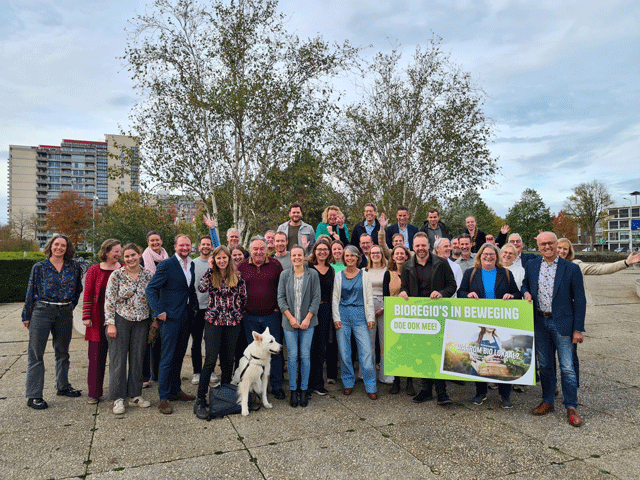
On October 31st, 18 municipalities, cities, and 7 provinces participated in a large Bioregion meeting. The goal was to reach consensus on the ambitions and criteria for Bioregions and Biocities in the Netherlands. Best-practice experiences were shared from initiatives already underway, such as designating leasehold land for organic farming, organic pick-your-own gardens in the city, organic meals in public canteens, entering into covenants with large organizations in the region or city to include more organic food in catering, and encouraging organic networks and short supply chains within their own region.
The energy we, as Bioregion initiators, have experienced in the regions and cities over the past year is perfectly understandable. They face the problems caused by the conventional food system on a daily basis: citizens protesting pesticide use and odor nuisance in their backyards, the decline in tourism appeal, economic uncertainties, construction freezes due to exceeding nitrogen allowances by agriculture, and increasing health problems… These are not always popular topics to address in the current political atmosphere, but after all, they can’t be ignored.
Bioregion movement is a powerful grassroots signal to accelerate the transition to sustainable and locally produced organic food
And what regional and local politicians do like to profile themselves with is pride in delicious and healthy products from their own region. And that is precisely what makes Bioregions attractive to local and regional politicians. The Bioregion movement in EU countries is a powerful grassroots signal to accelerate the transition to sustainable and locally produced organic food.
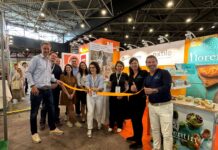
Dutch regions and cities are at the threshold of joining this movement and are seeking connections with the international networks of bioregions and biocities. This will start at BIOFACH on Thursday morning at around 11:00 a.m., with a presentation of the Bioregion Ambitions and Criteria and the start of the Bioregion Network Netherlands, at the orange booth of the Netherlands in Hall 5. Hope to meet you there!
Author: Bavo van den Idsert, Organic Consultant
Published in the BIOFACH 2026 Bio Eco Actual Special Edition.
Subscribe to Bio Eco Actual Newsletter and be up to date with the latest news from the Organic Sector
Bio Eco Actual, International Organic Newspaper
Read the BIOFACH 2026 Bio Eco Actual Special Edition