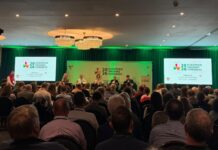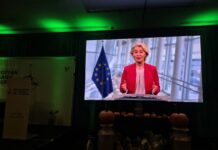

On EU Organic Day, the winners of the fifth EU Organic Awards were announced today during a ceremony at the European Commission, celebrating outstanding projects and actors across Europe’s organic value chain.
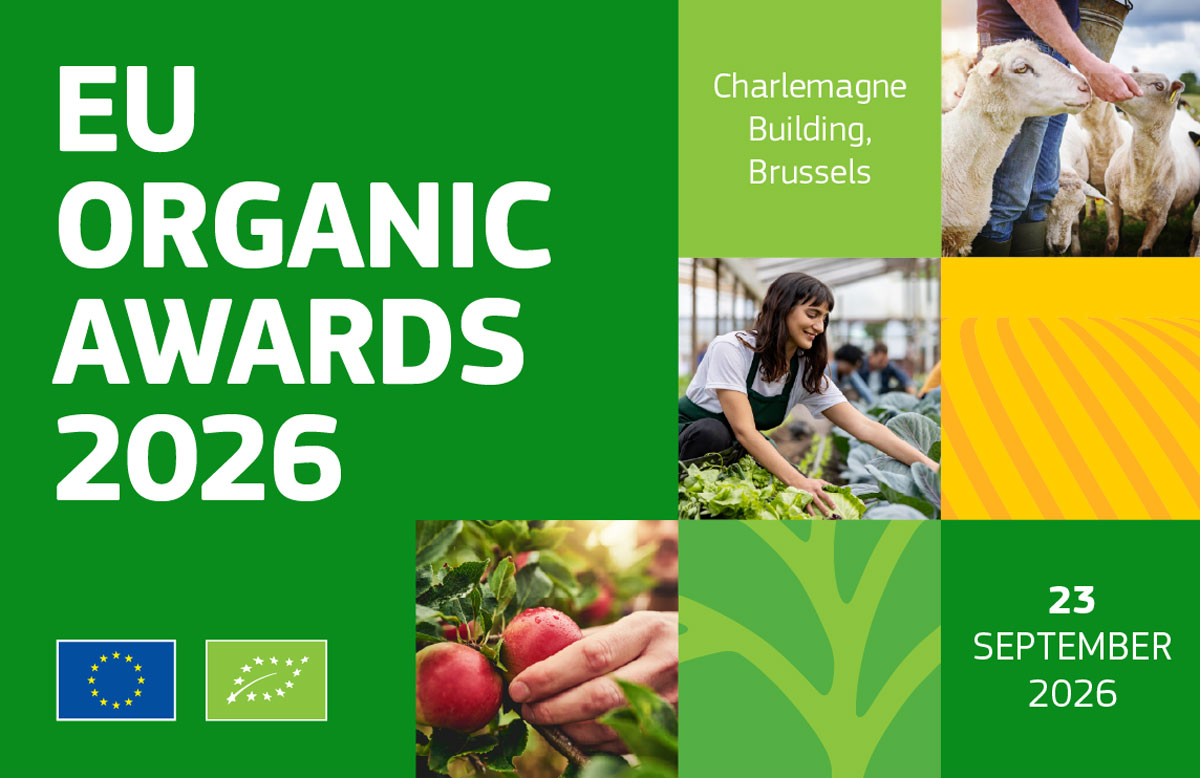
This year’s awardees maintain the high standards set by previous winners and showcase innovative and sustainable approaches from across Europe’s organic sector. Their work demonstrates how organic farming and production can create added value, build communities and jobs in rural areas, turn ambitious sustainability goals into action, and contribute to resilient, future-oriented food systems.
The seven winners were selected from 21 finalists from 12 EU countries, shortlisted from more than 120 applications. The high quality and diversity of this year’s applications reflect the wealth of initiatives already putting organic principles into practice across Europe – from farms and businesses to cities, regions and local communities.
Dóra Drexler, President of IFOAM Organics Europe, said: “Congratulations to all the winners of this year’s EU Organic Awards, and to all the finalists whose outstanding work brought them this far. Together, they demonstrate the diversity, innovation and leadership that organic brings to Europe’s food and farming system, from farmers and businesses to cities, regions and local communities.
Their achievements show how organic can strengthen Europe’s resilience by reducing dependency on external inputs, supporting sustainable livelihoods, protecting natural resources and fostering vibrant rural areas. By giving visibility to these inspiring examples, the EU Organic Awards showcase solutions that are already delivering results across Europe and point the way towards a more sustainable future. I hope this year’s winners and finalists inspire many others to build on their success!”
Meet the winners of the 2026 EU Organic Awards
Best organic farmer (female): Kay O’Sullivan, Ireland
Kay O’Sullivan runs Glynn Organic Farm, a 63-hectare livestock farm with cattle and sheep, certified organic for 16.5 years. The farm uses grass-based production, multispecies swards and weekly grass measurement to improve productivity while reducing external feed inputs and emissions. She actively engages with local communities and agricultural discussion groups and shares her experience through social media and local news. The farm hosts national beef farming events, international visitors, study groups and open days, promoting sustainable farming through peer learning.
Best organic farmer (male): Hans Erik Joergensen, Denmark
Hans Erik Joergensen runs Risbjerg Landbrug, a 350-hectare mixed organic farm with pigs, cattle, laying hens and diversified crops, certified organic for 19 years. The farm combines high animal welfare with soil-health-focused practices, including pasture-based pig production, diverse crop rotations and reduced tillage. He also supports people with special needs, refugees and trainees, while engaging the public through open-farm initiatives and educational visits. The farm has contributed to more than 50 research and development projects, sharing knowledge and promoting sustainable organic farming.
Best organic food processing SME: Bio Bulgaria (Harmonica), Bulgaria
Bio Bulgaria is a Bulgarian organic food company founded in 2016, with 47 employees and more than 30 partner-manufactured products. It supports local organic producers through stable markets and short supply chains, while promoting fair trade, affordable food and clear product origins. The company also promotes organic food through schools and media and supports the circular economy.
Best organic restaurant/food service: Zotter Schokolade, Austria
Zotter Schokolade is an Austrian company founded in 1999, employing 200 people and managing 95 hectares of sustainable agriculture. Its farm-to-table restaurant processes its own livestock for on-site catering, while its open production concept lets visitors learn about food origins and animal welfare. The site also features a cocoa cinema, chocolate theatre and “edible Tiergarten”, creating an immersive experience centred on regionality and sustainable food.
Best organic food retailer: Boßhammersch Hof, Germany
Boßhammersch Hof is a German family-run organic delivery service founded in 1997, employing 44 people and delivering over 2,000 plastic-free boxes weekly. It connects 60 organic farms with households, schools and rural communities, offering fair prices and seasonal products, mostly sourced within 100 km. Its app provides delivery tracking and recipes, while the company promotes fair wages, intercultural diversity and female leadership.
Best organic city: Cussac-Fort-Médoc, France
Cussac-Fort-Médoc is a French town of 2,326 inhabitants, serving 50% organic products in its school canteens through a pioneering municipal farming service. Its 7,000 m² organic plot supplies half of the fresh vegetables for 230 daily meals, with zero transport and packaging and no extra cost. Surplus produce supports local food aid, restaurants and shops, providing a practical model for rural areas pursuing the organic transition.
Best organic region/bio-district: Distretto Sardegna Bio, Italy
Created in 2021, Sardegna Bio is Italy’s largest bio-district, covering 24,090 km² and involving 2,600 organic businesses across 184,000 hectares of organic farmland. It brings producers, processors and consumers together through local supply chains, public procurement and rural energy communities, while supporting tenders, exports and short supply chains. As the head of the Italian Network of Organic Districts, it also provides a structured and transferable model for participatory rural development.
Commenting on this year’s winners, Christophe Hansen, European Commissioner for Agriculture and Food, said: “When I travel across Europe, I meet farmers and entrepreneurs who are proving every day that sustainability and competitiveness can go hand in hand. The EU Organic Awards celebrate the people who are helping shape the future of European agriculture. Today’s winners are not only being recognised for their achievements. They are showing what is possible when ambition, innovation and dedication come together.
Their success can inspire others across Europe and help drive the next chapter of organic farming. The European Union will continue to support the development of the organic sector because it contributes to many of our shared objectives: stronger rural areas, healthier ecosystems, greater consumer confidence and a more sustainable and resilient food system.”
The awards are organised by the European Commission, the European Economic and Social Committee, the European Committee of the Regions, COPA-COGECA and IFOAM Organics Europe, with support from the European Parliament and the Council.
Subscribe to Bio Eco Actual Newsletter and be up to date with the latest news from the Organic Sector
Bio Eco Actual, International Organic Trade Media
Read the Bio Eco Actual International Yearbok 2025 – Trends 2026