
The 2024 European elections marked a turning point in the EU’s political landscape. The results revealed a shift to the right, with growing influence of conservative and centrist forces calling for a recalibration of the EU’s environmental and agricultural ambitions. A concrete consequence of this shift is that while in the previous mandate, the centre-right European People Party (EPP) – the biggest political party – can now seek alliances both left and right.

Gone is the target-oriented approach of the Farm to Fork strategy; in its place stands a more economically framed approach to food and farming policy. In this new context, the European Commission’s «Vision for Agriculture and Food» to 2040 has emerged, offering a glimpse into how the EU intends to navigate the years ahead. Framed around competitiveness, food security, simplification, and generational renewal, the Vision offers some continuity with past objectives, while clearly moving the narrative towards stability in uncertain times.
It is significant that organic farming features meaningfully in the Vision. Organic is recognised for its positive environmental impact, but also its economic and social value. The Vision highlights organic as a growing sector that provides ecosystem services and appeals to young farmers. It is referenced in connection with healthy soils, public procurement, and administrative simplification. Notably, the Vision states that «support for organic is essential» for soil health, underlining its relevance in mainstream policy.
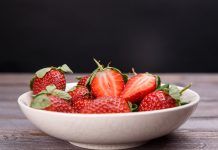
Organic farms work under a trusted certification system and enjoy strong consumer recognition
Yet, this Vision is far from comprehensive. While it provides direction for agriculture, it still largely overlooks food. It stops short of addressing the broader dynamics of the food system—dietary patterns, food waste, the affordability of sustainable food, and the role of supply chain actors between farmers and consumers. Therefore, while the organic movement welcomes the recognition of organic in the Vision, it regrets that the VIsion does not convey a more food systems approach, for a systemic approach matches the complexity of the transition Europe needs.
Within this landscape, organic has a story to tell—one that aligns with the priorities of competitiveness, simplification, and generational renewal. Organic farms offer stable incomes, create jobs, and attract youth and women at higher rates than their conventional counterparts. They operate under a trusted certification system, and are known and accepted by consumers. Organic agriculture is not an experimental niche—it is an established, forward-looking model that can help anchor a just and sustainable transition. Organic must continue to do what it has always done best: innovate, build alliances, and show that sustainability and competitiveness are not opposing goals, but two sides of the same resilient, competitive and sustainable future.
There are several agri-food policies where organic shines and can provide win-win solutions to current challenges the agri-food sector faces. One of these policies, for which the role of organic is also recognised in the Vision, is sustainable public procurement.
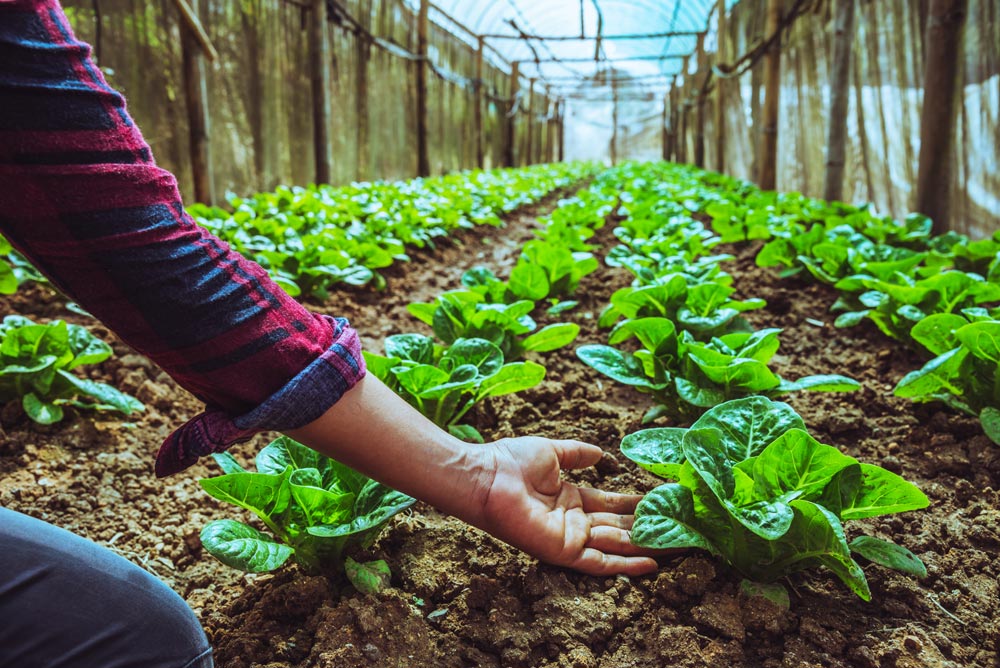
Introducing organic in public procurement is the best way to trigger systemic positive change in public food procurements, for a number of reasons. First, more organic products in sustainable public procurement means boosting the demand for these products, offering organic farmers interesting economic perspectives in the form of a stable market, while also connecting them to local public institutions around them. Of course, entering these new markets requires adaptations and support, but innovative solutions can be found. For example, the city of Ghent set up an online platform to connect farmers and public procurers buying food, allowing farmers to apply directly for tenders in a simplified way. Several successful stories in Europe show that this kind of market engagement benefits organic and local farmers and can be done in various different ways depending on the context of the region. This also creates a new dynamic for the whole community, connecting different local actors to meet, exchange, share their challenges and find innovative solutions to overcome them.
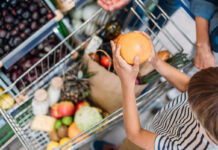
But organic in public procurement is not only a market: it’s also about changing the menus and the way public kitchens operate. Every public kitchen who sets up an organic target for their purchases also rethought their whole approach to serving food: because organic products tend to be more expensive, it’s not only about product substitution but redesigning menus to make them healthier and contribute to a more balanced diet, cutting on food waste, promoting ancient and local varieties of fruits and vegetables, implementing a better training for the staff, etc. The results when including organic in public procurement are impressive: lower environmental impact for the public food procurement, better school performance of the children, higher well-being of the kitchen staff, increased economic performance of the organic farmers involved… There is a lot of potential to increase organic in public procurement, especially now with the public procurement framework to be revised in the coming years, the organic sector must seize this opportunity.
Ultimately, organic farming is not only a production method. It is a model of sustainable agriculture and also a fundamental political tool to guide the transition towards sustainable food systems. It protects biodiversity, improves soil health, safeguards water quality and actively contributes to climate change mitigation. At a time when environmental and social challenges are becoming increasingly urgent, organic represents a concrete, existing and functioning response.
Authors: Silvia Schmidt, Policy Manager at IFOAM Organics Europe, and Laura Sauques, Policy Officer on Sustainable Food Systems and the CAP at IFOAM Organics Europe
Subscribe to Bio Eco Actual Newsletter and be up to date with the latest news from the Organic Sector
Bio Eco Actual, International Organic Newspaper
Read Bio Eco Actual