
Europe’s organic market is growing again, but according to Marco Molier, it should accelerate much faster. In this interview, the Managing Director of BioCore and Board Member of BioNederland shares his views on consumer behavior, resilient supply chains, regulation, innovation and why he believes organic should become the norm.
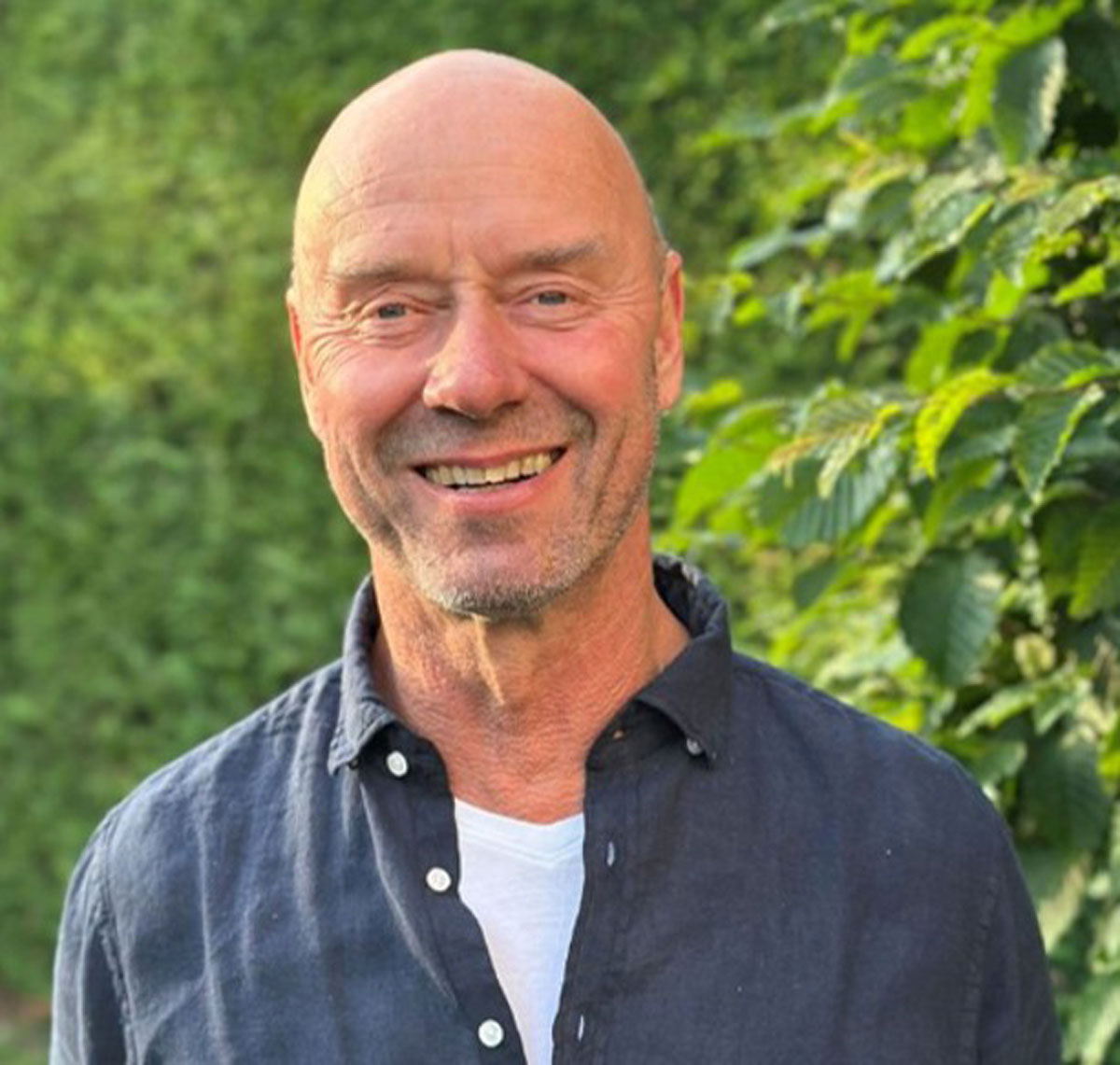
Photograph courtesy of Marco Molier | Marco Molier, Managing Director of BioCore and
Board Member of BioNederland.
The organic market has experienced both rapid growth and slower demand in recent years. How would you describe the current state of the European organic market?
The market has recovered well after the exceptional fluctuations during and immediately after the pandemic. Today, we are seeing steady annual growth of around 4–5%, which is encouraging. Countries such as Denmark, Germany, Austria and Switzerland continue to lead the way, but if Europe wants to achieve its Farm to Fork ambitions, we need to accelerate much faster.
Growth depends on two things: consumers choosing organic more often, and policymakers maintaining long-term support. Organic is increasingly recognized as part of the solution to many environmental challenges, but we now need that recognition to translate into concrete action.
“We are back to steady growth but not fast enough to achieve Europe’s ambitions.”
Consumers increasingly care about health, sustainability and transparency, yet price remains a barrier. How can the organic sector remain relevant?
Transparency has become one of our greatest opportunities. People want to know what is in their food, how is it produced and where it comes from. Organic has a fantastic story to tell – not only about avoiding synthetic chemicals, but also about biodiversity, healthy soils and responsible farming.
We also need to communicate those benefits more effectively. Organic is about much more than a certification logo, it is about protecting ecosystems while producing food responsibly.
“People want openness. They want to know what they eat.”
Some argue that the organic sector focuses too heavily on sustainability and not enough on its business value. Do you agree?
There is certainly room to communicate organic differently. Sustainability remains fundamental, but businesses and investors also need stability and long-term certainty. That is why consistent policy is so important.
When governments commit to long-term strategies such as the Farm to Fork objectives, companies are more willing to invest. Without that stable environment, investment naturally becomes more cautious.
Regenerative agriculture has become one of the biggest topics in the industry. How do you see the relationship between regenerative and organic?
Regenerative agriculture has a potential, but there is one important difference. Organic already has a clear legal backbone, recognized standards and independent certification. Regenerative farming is interpreted in many different ways.
Rather than seeing the two approaches as competitors, I believe they should complement each other, a strong argument, a strong recommendation for regenerative farmers is to take the next step and convert to organic.
Climate change, geopolitical tensions and inflation continue to affect global supply chains. What makes an organic supply chain resilient today?
For us at BioCore, resilience starts with long-term commitment. Markets go through periods of shortage and abundance, but our responsibility is to support our organic farmers through both.
Extreme weather is already changing agriculture. Heatwaves, droughts and changing growing conditions are becoming part of everyday business. That is exactly why strong partnerships matter.
“Our word is our word. When we commit to our farmers, we stay committed in good times and bad.”
Where do you currently see the most exciting innovation in the organic sector?
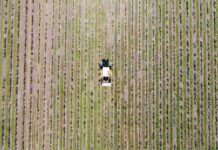
Innovation is happening everywhere. On farms, robotics, drones and precision agriculture will help improve efficiency while reducing costs. At the same time, organic brands continue to lead food innovation, from plant-based products to functional beverages and entirely new product concepts. I often describe organic as the Formula One of food innovation because it is constantly experimenting and pushing boundaries.
As a board member of BioNederland, what do you believe should be the organisation’s biggest priorities over the next few years to help accelerate the growth of organic in the Netherlands?
Several strategic priorities. The main one is to stimulate consumer demand, we need the consumers to be able grow the market. Without demand, no market growth. Growing demand will put the foundation for more organic production and organic acreages.
Besides the need for a larger demand, we need to work on a level playing field for organic businesses. That means reducing certification and registration costs, simplify administrative requirements and lower unnecessary burdens throughout the whole supply chain. We need to work together to realise these goals, with other initiatives, with all active companies and associations in the organic field.
“Organic is no longer a niche. It is part of the future of our food system and that is what gives me confidence for the years ahead.”
Organic products are often perceived as premium products. Can organic ever become mainstream without losing its identity?
It has to become mainstream. As the sector grows, economies of scale will gradually reduce costs. But we should remember that the identity of organic has never been about price. It is defined by a farming system that protects our soil, water and biodiversity.
After many years in the organic sector, what continues to inspire you?
When I started my career, organic was driven largely by ideology. Today, it has become a mature industry, but the mission remains exactly the same. Every year I meet more entrepreneurs, farmers and consumers who understand that organic is not simply another market segment. It is an essential part of the future of food.
Author: Evgeni Hristov, Gerente de Desarrollo de Negocios.
Subscribe to Bio Eco Actual Newsletter and be up to date with the latest news from the Organic Sector
Bio Eco Actual, International Organic Trade Media
Read the Bio Eco Actual International Yearbok 2025 – Trends 2026