

Veritas reaches 100 organic supermarkets as it continues its nationwide expansion, with its 25th anniversary already on the horizon. We speak to Anselmo Méndez, the company’s CEO, about where he sees room for further growth, how organic consumers are changing, why fresh food remains the gateway to the sector and how he wants to use technology to make shopping easier without losing the personal touch.
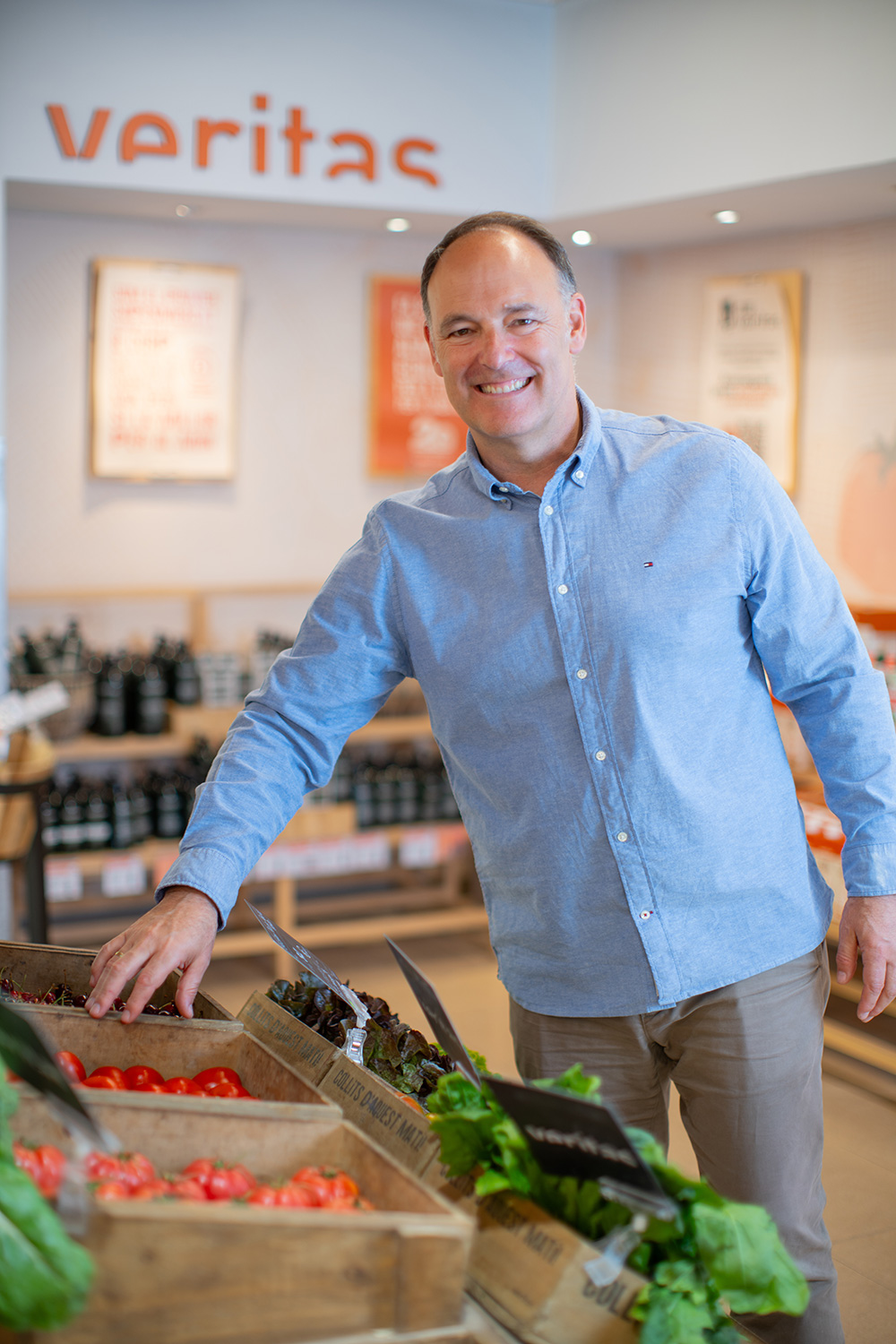
Veritas has reached 100 stores. How is the expansion plan progressing, and what openings are still planned for this year?
We are now opening a new store in Valencia, directly opposite La Fe Hospital. This will bring us to seven stores in Valencia and seven in Alicante within the Valencian Community. We are on track: we wanted to open ten stores this year, and we will. There are still several openings to come before the end of the year. In November, we will open in Alcaidesa, in Cádiz, and we also have a new store planned in Vigo, which will be our third in Galicia and is already under construction. We have signed agreements for two more openings, but we will announce them when they are further along.
What does reaching 100 supermarkets mean to you?
It is a case of “onwards and upwards”. The number 100 has a nice ring to it and, above all, it is a source of motivation for the team. But reaching 100 stores is not a goal in itself. For us, growth is the result of doing things well. So, although it is an exciting milestone that we will probably celebrate internally, what matters is continuing to grow in a way that is consistent with our model.
What do you look for in a new area, and why is the coast important to your expansion?
If we look at our geographical expansion, aside from the three stores we have in Madrid, we focus heavily on the coast and, naturally, on areas where organic consumption is higher. The coast attracts many people from abroad, particularly Europeans, whose home countries have a more established culture of organic consumption. They also have a better understanding of the difference between conventional and organic products and, therefore, the price difference. It is a market we feel very comfortable in.
Where do you currently see the greatest potential for growth?
We continue to grow in areas such as Galicia. We started in A Coruña and will also be in Santiago, Vigo and Pontevedra. Organic consumption there has increased in recent years, and we see an attractive market, partly thanks to people moving there from abroad.
In Andalusia, the Alcaidesa opening will bring us to five stores: two in Estepona, one in Mijas, one in Marbella and our first in the province of Cádiz. We still see considerable potential, and the idea is to eventually have between ten and fifteen stores in that area, although finding good locations is difficult because competition for land is fierce and rents are high.
We also see opportunities in the north. In the Basque Country, we opened our third store in San Sebastián this year and want to keep growing, because these stores perform very well, as do those in Bilbao. We already have three in Vitoria. Madrid is also on our radar, with some projects signed and others in mind, but it is not our main focus at the moment. Organic consumption there is still less mature than in other areas, which is why we continue to focus particularly on the coast. We are also present in the Balearic Islands, where we have supermarkets in Ibiza and Mallorca and a well-established presence.
Beyond your own network, do you want to grow the Veritas brand through other retailers?
Yes. We have a business development unit that works with various retailers. Our products are available at Eroski, Decathlon, regional operators and other outlets, and we are open to further collaborations with different chains. This channel allows us to fulfil one of our aims: to bring organic food to more people. We also have an export division, as consumers who know Veritas from Spain ask for our products in other countries, creating new opportunities for collaboration.
We are not possessive about the brand: we are open to being wherever it makes sense, because we believe these kinds of agreements help develop the organic market. In fact, we pioneered this model, and our presence in chains such as Eroski means that consumers in markets where we do not yet have our own stores already know Veritas. We also see considerable potential in non-food retail. For certain operators, it is entirely compatible with their business and can add significant value.
Are new consumers entering the organic market, or is growth mainly coming from existing customers?
It is difficult to identify how many new consumers are entering the market, because many start by buying just two or three products, and until we can track their purchases through the loyalty platform, we do not know whether they are new customers or people who were already buying organic products. Judging by consumption patterns and the reports we have access to, the uptake among new customers is progressing slowly. We see more growth from existing organic consumers gradually increasing their consumption as their awareness grows.
We are seeing our customer base become younger. Some young people are very conscious of their diet and personal care, and in many cases they have grown up in households where organic products were already part of everyday shopping habits. This is what we call the “Veritas generation”: people born into families that buy organic and who will probably maintain those habits when they live independently.
And what are you seeing in shopping frequency and basket value among the customers whose purchases you can track through the loyalty programme?
The trend is fairly stable. We see that when consumers start considering us as a shopping option, they usually begin with one or two basic products, which are the most competitively priced, and gradually expand their basket. They start by buying one, two or three items and, over time, may move up to five, six or eight. The same applies to frequency: they may start by shopping twice a month and end up doing so three times a week. Our customers range from people just discovering organic food to highly committed consumers and heavy users. The natural progression is to gradually increase the number of items, shopping frequency and, consequently, basket value.
Price remains one of the barriers. Where are you focusing your efforts to make organic food more accessible?
Our focus is on making organic food more accessible, and price is certainly a driver. We work on what we call “smart shopping”: the price gap with conventional alternatives is not the same for every product. For basics such as eggs, for example, the difference can be very small in terms of monthly consumption. If we are talking about around one and a half euros a month, we believe that is an affordable difference to pay for an organic product.
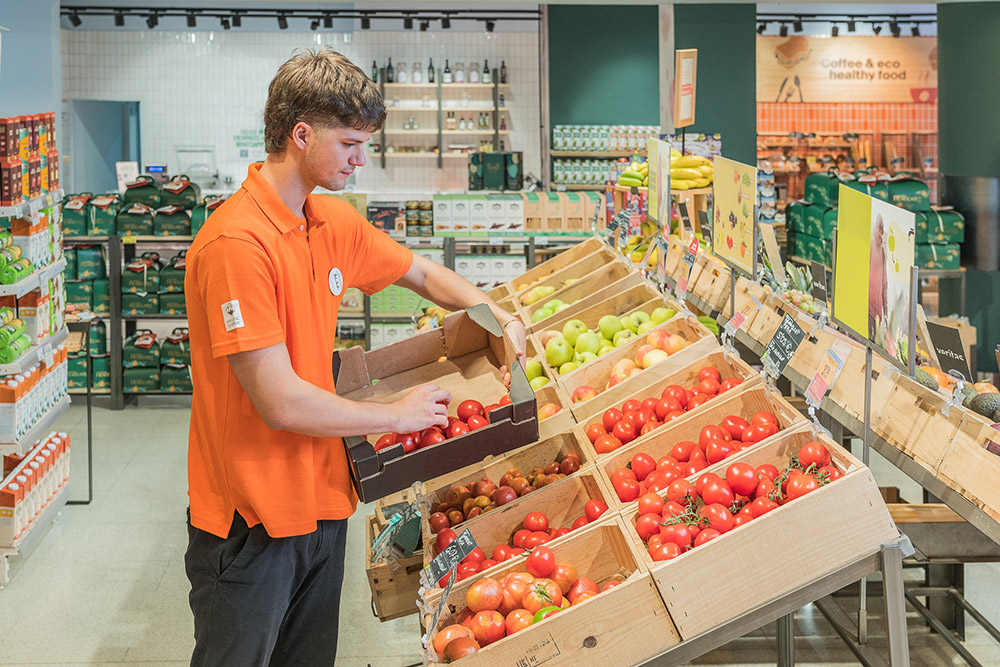
This is also reflected in the categories that are growing. Fruit, leafy greens, other vegetables and meat continue to grow steadily year after year and play an important role in introducing consumers to organic food.
Is fresh food still the main gateway to organic?
It is the gateway. We also have a more specific customer group: people who are starting to pay more attention to their diet and come looking for very particular products. These include products linked to certain trends or market developments, such as spirulina or matcha. Trends play an important role, and that is inevitable.
We saw this with plant-based protein, for example. It seemed to be a very clear niche, associated with vegan and organic consumers, but when conventional retailers started developing vegan products and, above all, plant-based protein products, those consumers had other alternatives. In many cases, they were not necessarily particularly loyal organic consumers, but people looking for a specific product that had previously been difficult to find outside this channel. We need to keep an eye on these trends and try to stay ahead of the innovations that bring people into the store.
Your bakery and in-house kitchen are two areas you control almost from start to finish. How are they developing?
They are doing very well, although the bread market has changed considerably. It is difficult to get consumers to understand that we have our own bakery within a supermarket, particularly in Catalonia, where cafés and bakeries have proliferated in recent years. In organic, however, we still have a very clear point of difference because there is far less choice available. It is a department our customers value highly and one we take great care of, although it is currently a stable category and is not growing significantly.
Where we see greater potential is in our own kitchen and ready-to-eat ranges. We are strengthening our R&D department because we want to be more than just a supermarket, developing products that respond to meet new consumer needs, such as lactose-free and gluten-free options, products with less salt or sugar, and high-protein products. The advantage is that we can control the product almost from start to finish and develop our own range.
We are also enhancing the experience through our cafés. For example, the new Sagrada Familia store has a café at the entrance, alongside our bread, pastries and chilled, prepared meals. And there is another area that performs particularly well: seasonal products. Last year, our panettone was a success, and this year we expect to double sales. The same applies to products such as Sant Jordi bread, Sant Joan cakes, nougat, Kings’ Day ring cakes and panellets.
Own-label products are gaining ground across retail. How do you balance them with other brands and small producers?
We are not aiming for a model where you walk into Veritas and see nothing but Veritas. We are committed to offering a broad range with a great deal of choice within each category. Our own label provides our entry-level price point, and we develop it in categories where we have sufficient stock turnover to be efficient and compete effectively on price. Without that volume, it does not make sense.
In fresh food, for example, we do not use our own label. Selling loose products is part of our DNA, and our suppliers are our partners on this journey. We are not going to become farmers or livestock breeders.
On fresh food specifically, how do you work with local products, and what challenges do you see for small specialist retailers?
One of our main priorities is to promote local products, and we are working on several projects to continue supporting their growth. Some products, such as eggs, can be sourced locally for all our stores because there are organic producers in many provinces. Others depend on the area: we can offer local avocados in Málaga or local kiwifruit in Galicia, but not the other way round.
The key is our distribution centre and logistics network, which allow us to collect products from small farmers and deliver them to other stores. Many small producers only have the capacity to supply one or two stores, and managing all those suppliers directly would entail very high administrative costs. We take on some of that complexity because we believe local products are a point of difference that customers appreciate.
We also believe that a specialist store should allow customers to do a complete shop. If your fresh food offering is limited, you also limit your ability to attract customers and build loyalty. This is precisely one of the main challenges for independent stores: you need volume, investment and an efficient logistics network. Refrigerated sections require significant investment and place demanding requirements on stock turnover and shelf life. An installation can cost around 150,000 euros, and if stock turnover is insufficient, wastage can be very high. To develop a strong fresh food offering, you need to combine investment, volume and stock turnover.
Your stores vary considerably. Is there a new format you would like to try?
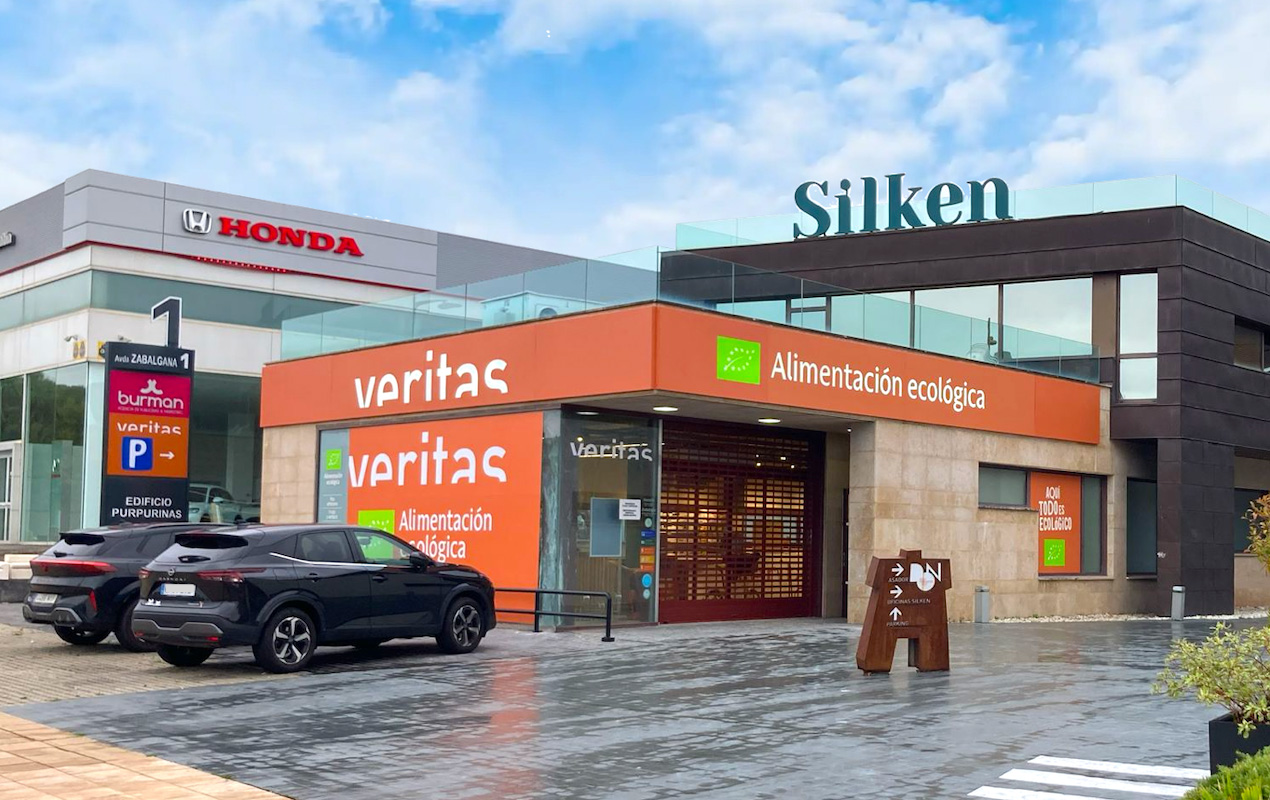
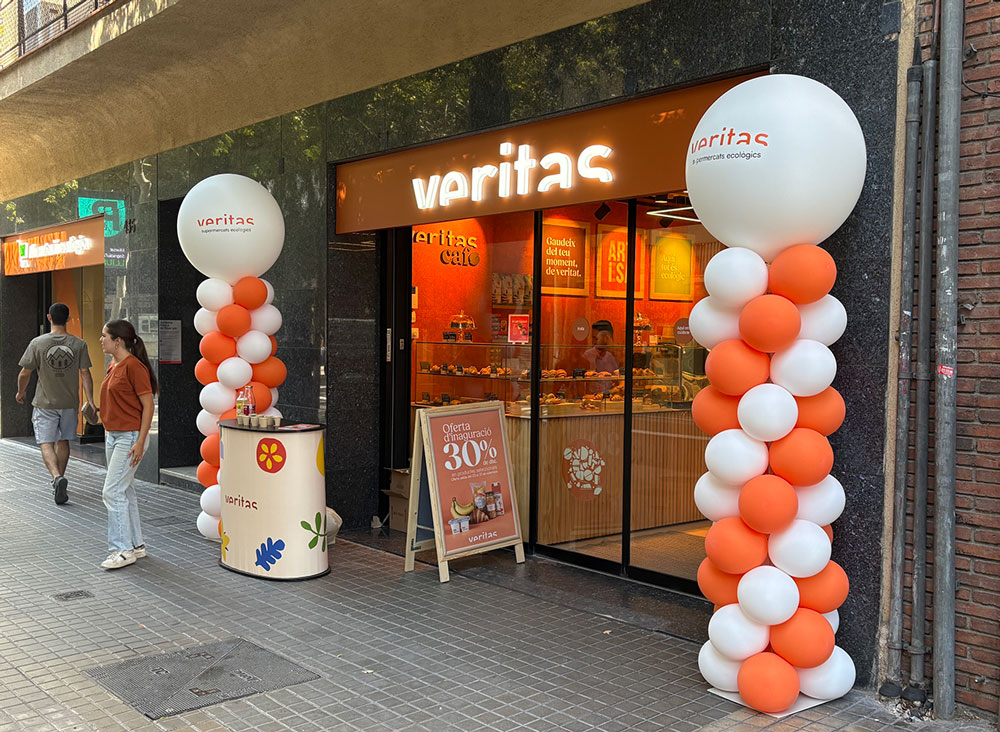
We are focusing on retail parks, with stores that have parking and services such as a café or a staffed butcher’s counter. But we would not rule out a good location just because the format is different. One example is Marbella, where we have opened a 150-square-metre store on one of the city’s best streets. In these cases, we adapt both the range and the shopping experience to the space available.
When it comes to developing something different from what we currently do, we have a few options under consideration, but it always depends on finding the right location. A very large store allows you to test new services and formats, while a small store has to focus more on the experience. Ultimately, space is often what limits the model.
What about franchising? Is it a route to growth you are considering?
We review franchising every five years, as part of our strategic plan. The main problem we see is that you can lose some control over the essence of the brand. It also means creating a dedicated structure that can distract the organisation. Our aim is not growth for its own sake, but growth as a consequence of doing things well.
If your focus is on growing the brand, franchising allows you to put the Veritas name in more places, but maintaining the brand’s essence and experience is much more difficult. For us, that aspect is fundamental. We revisit it every five years and, so far, we have always reached the same conclusion.
Beyond store openings, where is the focus for growth now?
We have strengthened our organisational structure and are currently working mainly on two projects. One is Kookit, a project we have been working on for two years and which is now in its pilot phase. It is a food subscription service with recipes that can be prepared in just a few minutes. The initial response has been very positive, although we are still learning and it is too early to share specific figures. Those using it are very satisfied because it takes care of the decision about what to cook, and they receive the ingredients almost fully prepared, ready to finish the recipe at home.
We are also working intensively on digital services that enable faster delivery. Our express online service is already available in 50 stores, and we want to extend it to the rest. With this service, customers can receive their shopping at home within two or three hours, as orders are prepared and dispatched directly from the store rather than from the distribution centre. We are also strengthening the technology behind home delivery, the handling of customer orders and ordering via WhatsApp. Ultimately, it is about making things ever easier for the customer.
At a time of artificial intelligence and automation, you insist on retaining the personal touch. How do you want to use technology in stores?
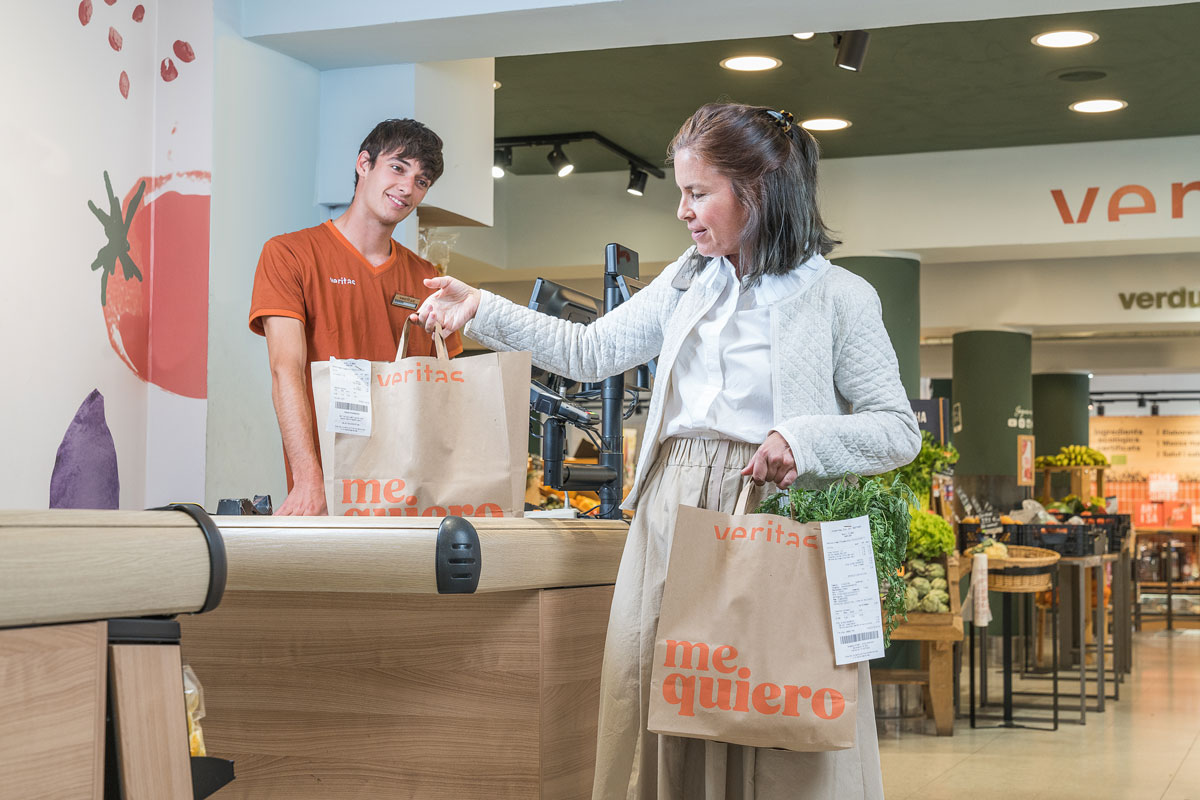
We believe Veritas stores must remain places where we can share and connect with customers. We are not investing in automating checkouts. We are investing in giving our teams real-time information about the products customers ask them for.
We provide extensive training and are also introducing an application at both the checkouts and on store tablets that allows staff to look up product information. If a customer asks about turmeric, for example, an employee can check which products we have and how they can be used. The idea is for technology to support the customer relationship rather than replace it, enabling our teams to provide faster, more responsive and more personalised answers.
Author: Oriol Urrutia, Co-editor and Political Scientist
Subscribe to Bio Eco Actual Newsletter and be up to date with the latest news from the Organic Sector
Bio Eco Actual, International Organic Trade Media
Read the Bio Eco Actual International Yearbok 2025 – Trends 2026