
The new EU organic regulation N° 2018/848 brings substantive changes for organic production in third countries. With the EU’s organic import system’s change to compliance with the EU Regulation on 1 January 2025, smallholders face significant new demands to continue supplying the European market. Around 2000 producer groups currently certified for the EU market need to adapt or risk giving up or losing organic certification during their first control of the new rules in 2025, which would disrupt supply of many organic products.
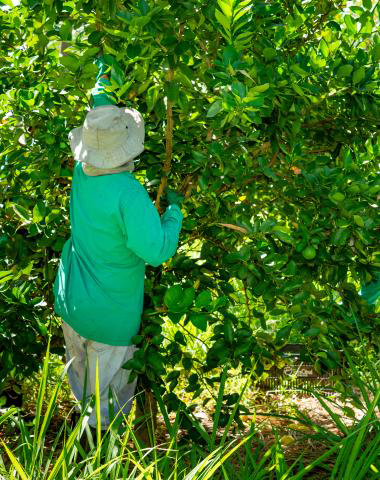
IFOAM works on smallholder market access since decades and lead the development of guidance on group certification under the new EU regulation and supported collection of data in an International Survey on the impacts. The results of the study on the Impact of the new EU Organic regulation on smallholder supply chains and the effects on the EU organic market has now been published by FiBL.
According to the study, while organic producer groups that can adapt to the new requirements may enjoy the potential for enhanced market access and stronger consumer trust in the organic label, many stakeholders, including 40% of surveyed third-country producers and traders, view this regulatory clarity as an opportunity to fortify organic practices and maintain quality.
FiBL and COLEAD also published recently a detailed case study on the impacts of the new EU Regulation in the Dominical Republic, with focus on banana and cacao production.
The EU’s new regulation strengthens the credibility of organic standards, but its effects on global smallholder communities need careful consideration. Proactive steps are essential to ensure that producers in developing markets can still access the European organic market.
Further information at www.ifoam.bio
Subscribe to Bio Eco Actual Newsletter and be up to date with the latest news from the Organic Sector
Bio Eco Actual, International Organic Newspaper
Read Bio Eco Actual