

Since the rejection of the Sustainable Use of Pesticide Regulation (SUR) by the European Parliament in 2023, no new attempt to introduce a legally binding pesticide reduction target can be foreseen at the European level. According to IFOAM Organics Europe, this should not be a reason to abandon efforts to phase down synthetic pesticides, which continue to pose significant risks to human health and the environment.
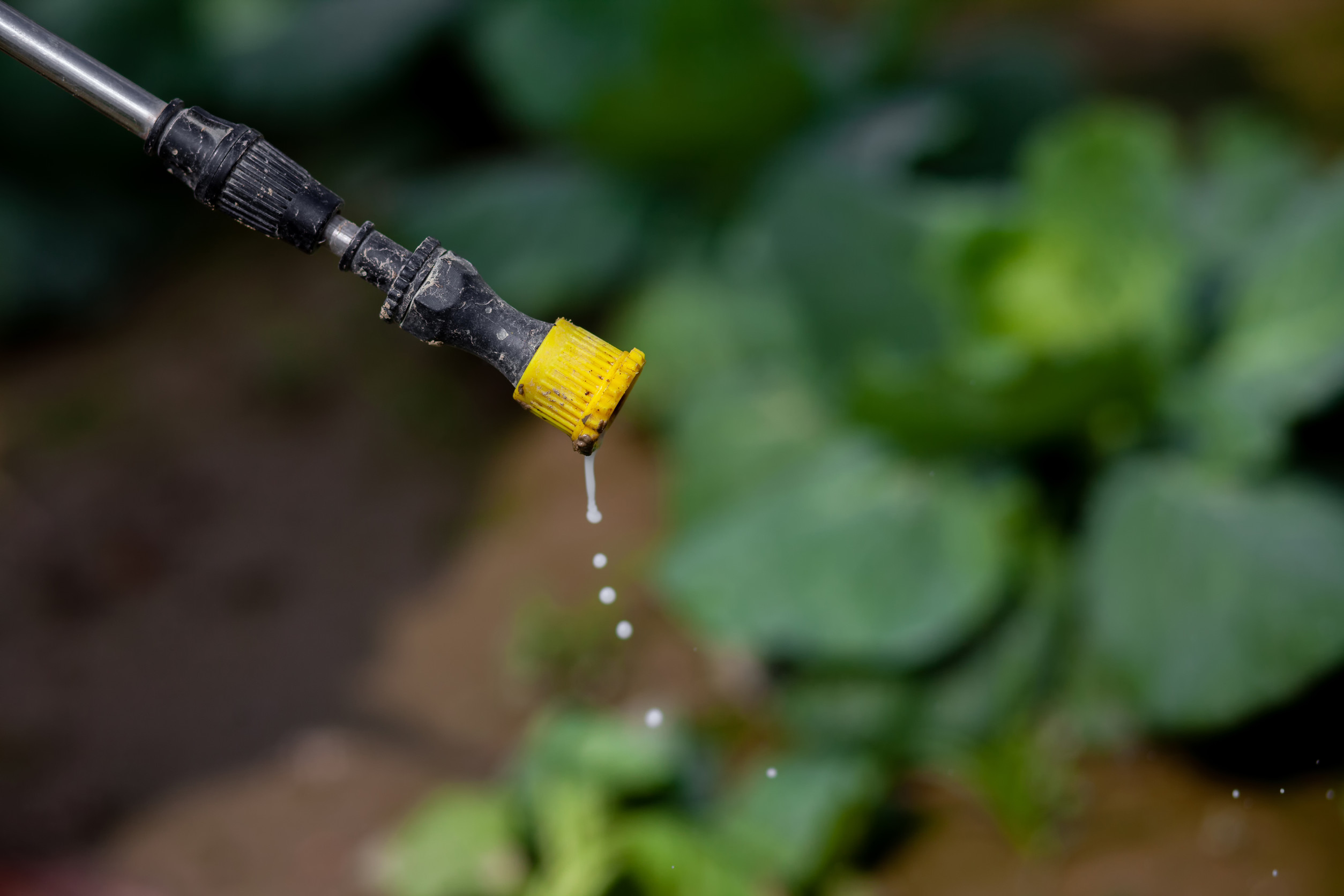
Pesticides contribute to the decline of biodiversity, notably of pollinator populations which are essential for food production, and they increase the probability of developing certain diseases, especially for farmers, children, and pregnant women.
“The costs associated with the side effects of pesticide use are substantial and are not reflected in their price. When accounting for spending on biodiversity preservation, water treatment measures, subsidies for conventional agriculture, and health expenditures spending to address the negative impacts of the use of pesticides is estimated at more than €18 billion per year”, IFOAM Organics Europe points out.
In the absence of binding, ambitious regulations, alternative tools must be explored to reduce the use of synthetic pesticides and address their side effects. Pesticide taxes are a market-based instrument to incentivize the reduction of pesticide use. However, to be effective, they must be thoughtfully designed. Specifically, they should target the most harmful substances, calculate the tax based on the area treated rather than on the volume used, and be combined with other policy tools – namely, fiscal and regulatory.
- For a detailed overview of how pesticide taxes work and how to design it to achieve real impact, read IFOAM Organics Europe’s briefing.
- For more information on the risks and costs associated with pesticide use, see the #StopHarm campaign
Article originally published on www.organicseurope.bio
Subscribe to Bio Eco Actual Newsletter and be up to date with the latest news from the Organic Sector
Bio Eco Actual, International Organic Newspaper
Read Bio Eco Actual