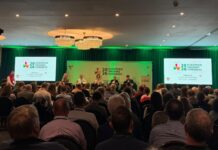


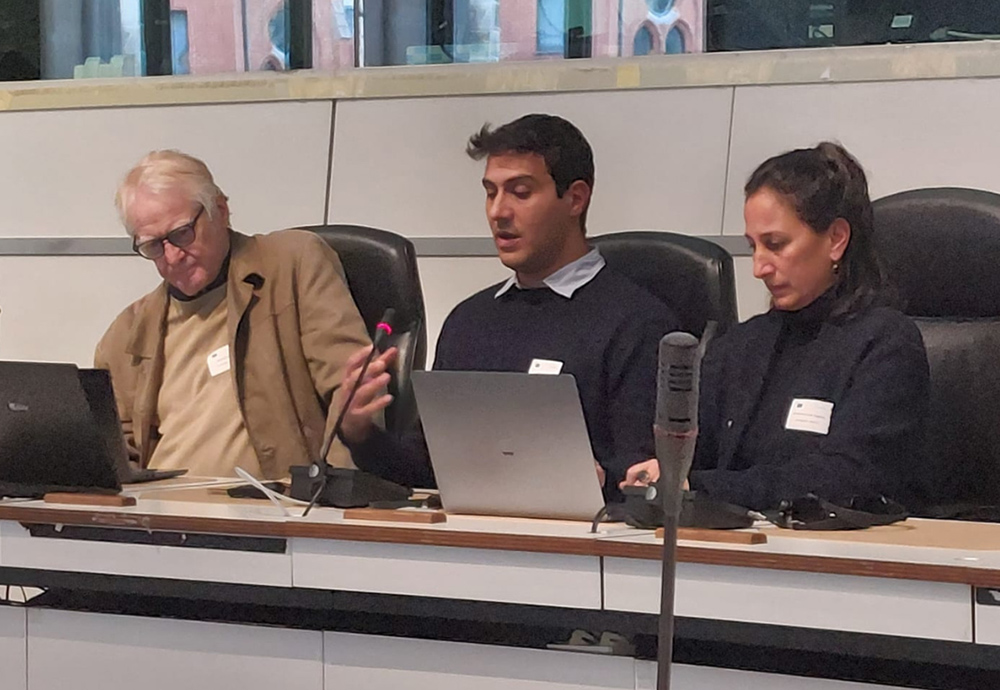
A year after the EU’s Nature Restoration Regulation (NRR) entered into force, and as Member States are in the process of drafting the national restoration plans, leading sector representatives, policymakers, and researchers met in Brussels to discuss progress and the role of organic, agroecology and agroforestry in restoring ecosystems. At the event “Organic, agroecology & agroforestry for nature restoration”, organised by the European Agroforestry Federation (EURAF) at the European Economic and Social Committee (EESC), Hanna Winkler, Policy Associate Manager at IFOAM Organics Europe, highlighted how organic farming can contribute directly to achieving the NRR’s goals.
The NRR, approved in 2024, set an ambitious target for the EU: to restore at least 20% of the EU’s land and sea areas by 2030, and all ecosystems in need of restoration by 2050. This long-term recovery plan for Europe’s nature represents a major opportunity to significantly improve the condition of degraded ecosystems across the continent.
But how is the NRR linked to organic agriculture?
Healthy, resilient ecosystems — with living, fertile soils, clean water, and thriving pollinator populations — are essential for sustainable food production and long-term food security. Organic farming contributes directly to these goals, helping to meet many of the targets set for agricultural ecosystems under the NRR. Organic farmers have long demonstrated that nature protection and productive farming can go hand in hand. Viable organic farms can simultaneously enhance soil fertility, preserve biodiversity, protect water bodies, and store carbon in soil. The benefits are evident in increased pollinator and butterfly populations, improved habitat diversity, higher soil carbon stocks, and healthier farmland bird communities.
It is encouraging that organic, agroecological, and agroforestry approaches are explicitly recognised within the NRR as effective nature restoration measures. However — as Hanna emphasised — farmers now need the right policy and financial frameworks to make these measures a success. By prioritising organic farming in National Restoration Plans, Member States can use one powerful policy tool to advance Europe’s climate, water, and biodiversity objectives. To make this possible, we need a Common Agricultural Policy (CAP) post-2027 that fully supports nature restoration: “Organic farmers can be the key drivers of nature restoration, if they are equipped with the right tools, incentives, and long-term policy support” said Hanna Winkler.
By prioritising organic farming in National Restoration Plans, Member States can use one powerful policy tool to advance Europe’s climate, water, and biodiversity objectives
Later in the programme, Karim Jouhari, TP Organics Advocacy Officer, contributed to the session “Policy synergies – Strengthening preparedness ahead of climate change challenges through nature restoration”. Karim highlighted the crucial role of research and innovation in achieving nature restoration goals — and the importance of ensuring a dedicated budget in the next Multiannual Financial Framework (MFF) to support innovation in organic and agroecological approaches: “When discussing EU policy coherence, we should take clear steps forward. We must recognise that organic farming and agroecology are essential for achieving the objectives of the NRR. Research and Innovation are critical for the future of the EU, and we must focus our public investments on effective approaches such as organic and agroecology. This is not just important; it is our responsibility for a sustainable future.”
Organic farming plays a key role in Europe’s nature restoration efforts. To build resilient agri-food systems that safeguard ecosystem functions, it is essential to ensure that farmers who are already committed to, or willing to engage in, sustainable practices receive adequate support.
- Futher information available at www.organicseurope.bio
Subscribe to Bio Eco Actual Newsletter and be up to date with the latest news from the Organic Sector
Bio Eco Actual, International Organic Newspaper
Read Bio Eco Actual