

The European Technology Platform for Research & Innovation into Organics and Agroecology warns that the current proposals for the European Competitiveness Fund (ECF) and the next Horizon Europe, the EU’s Framework Programme for Research and Innovation for the period 2028-2034, do not yet provide a credible architecture for investing in Europe’s sustainable food systems transformation.
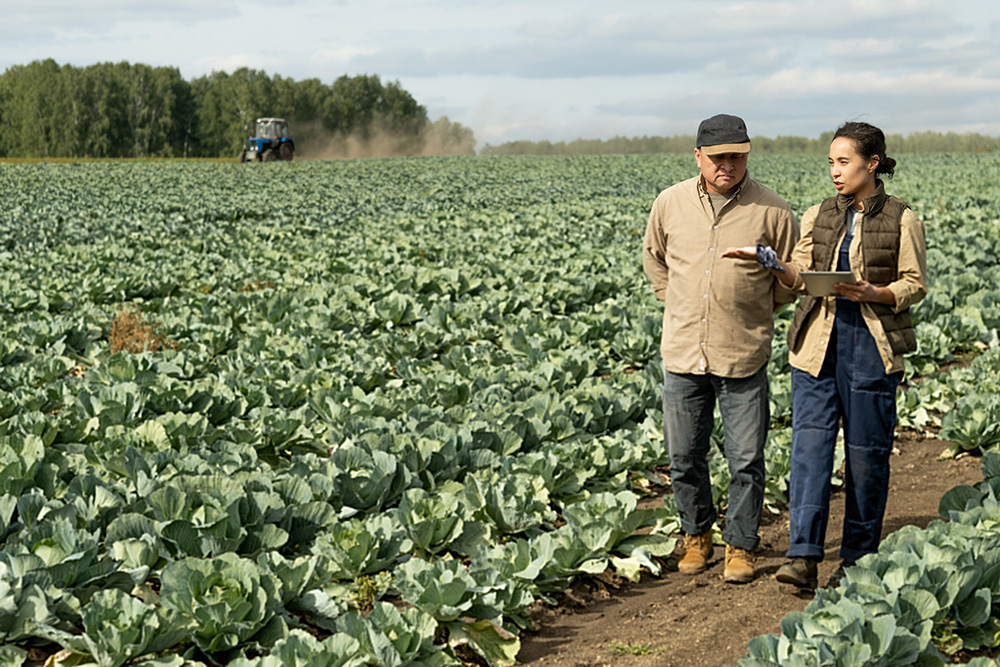
As the European Union positions competitiveness, resilience and strategic autonomy at the heart of its economic agenda, TP Organics stresses that agriculture and food systems must be treated as core economic sectors – not as residual policy areas. Yet in the architecture proposed by the Multi-Annual Financial Framework (MFF), agri-food risks being crowded out by broader industrial and technological priorities.
To address this, TP Organics calls on MEPs and Member States to maintain the next Horizon Europe as a standalone and independent programme, explicitly recognising in its objectives agriculture and food as a high priority for the transition towards a green economy and strategic autonomy. It also urges EU co-legislators to ensure that at least 30% of the €40 billion (the combined Horizon and ECF budgets under Policy Window 2) is dedicated to agriculture, food systems and rural development reflecting their importance for economic competitiveness, food security and territorial cohesion. In addition, ambitious support should be provided to R&I for organic agriculture and agroecology, as highlighted in the Commission’s statement “Organic rulebook fit for the future”. This means that the spending target of one-third of the total R&I budget for agriculture and food from the current EU Organic Action Plan should be maintained.
Without a strong Horizon Europe and a properly funded agri-food window under the European Competitiveness Fund, Europe will struggle to translate its sustainability ambitions into lasting competitive advantage
The organic sector illustrates why it matters. Representing 11% of EU farmland and generating more than €45 billion in annual retail sales in 2023, organic farming combines strong market performance with environmental integrity. Research and innovation in the sector drives solutions that benefit the wider farming community, supports SMEs and rural employment and reduces dependence on imported inputs.
However, these benefits depend on sustained, well-governed investment in research, innovation and market uptake. Without a strong Horizon Europe and a properly funded agri-food window under the European Competitiveness Fund, Europe will struggle to translate its sustainability ambitions into lasting competitive advantage.
“Europe cannot build a competitive, resilient and sustainable food system on fragmented and uncertain funding,” An Jamart from BioForum Vlaanderen vzw said. “The European Parliament and Council must ensure that Horizon Europe and the European Competitiveness Fund form a coherent, well-resourced pathway from research to market for sustainable agriculture.”
- Further information at www.tporganics.eu
Subscribe to Bio Eco Actual Newsletter and be up to date with the latest news from the Organic Sector
Bio Eco Actual, International Organic Newspaper
Read Bio Eco Actual