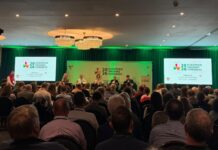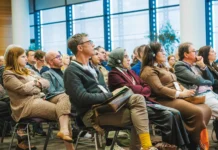

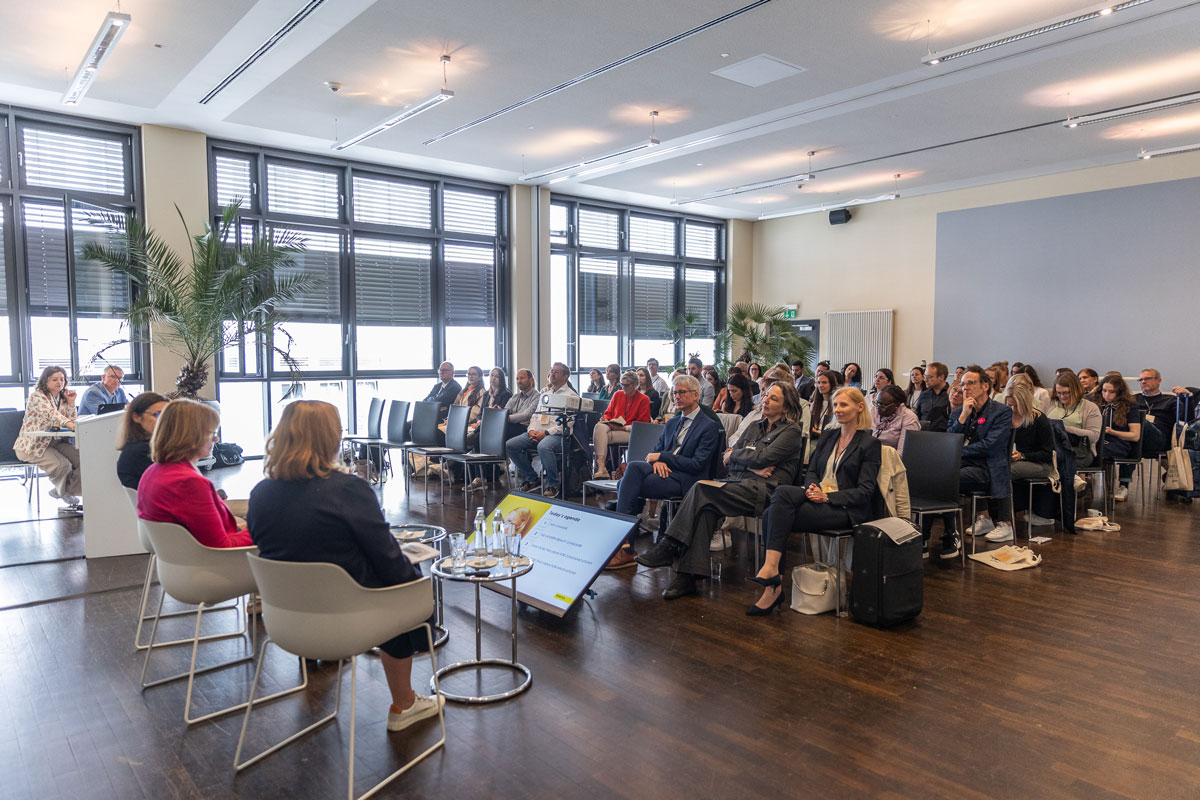
The Natural Cosmetics Industry Forum 2026, organised by NATRUE – The International Natural and Organic Cosmetics Association, held its first edition on 20 May in Berlin, bringing together nearly 70 participants, including leading scientists, industry experts, brands and regulatory stakeholders to discuss the key forces transforming the natural and organic cosmetics sector.
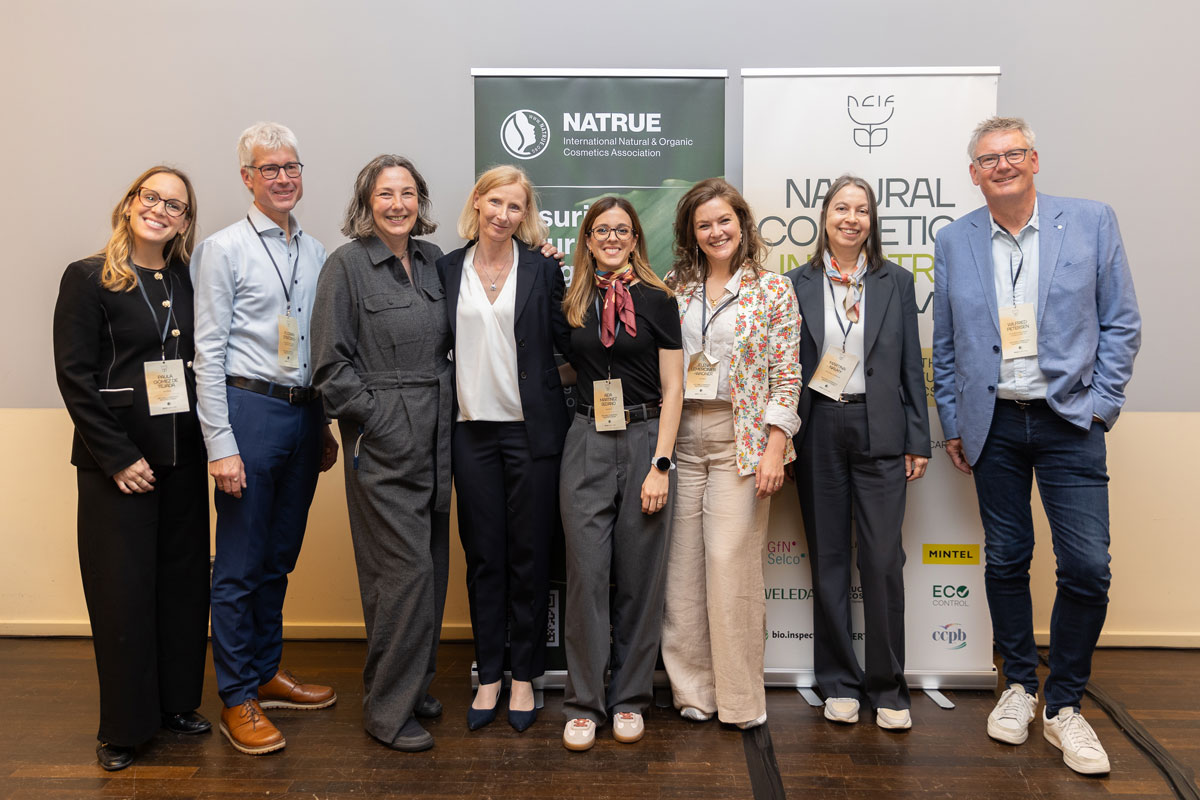
As a new platform for exchange, the Forum created a space for high-level dialogue, networking and collaboration across science, industry and regulation, exploring how sustainability, performance and innovation are reshaping product development, regulatory frameworks and evolving consumer expectations.
“With the first edition of the Forum, NATRUE aims to create an inspiring space for the industry to connect, while supporting further development and modernisation. Natural cosmetics need a clear identity: preserving diversity while sharpening focus – which is exactly why formats like this are essential. At the heart of it are credibility, trust, integrity, independence, transparency, and accessibility”, said Prof. Dr. Florian Stintzing, President of NATRUE and CEO of WALA Heilmittel GmbH.
Sustainability becomes baseline, not the differentiator
Insights from Mintel and Weleda highlighted three major structural shifts shaping the future of beauty: the rise of longevity as a global, intercultural movement focused on health, prevention and youthful appearance; the increasing “skintellect” of consumers demanding efficacy, transparency and ingredient literacy; and the mainstreaming of natural and clean beauty as part of more mindful consumption patterns.
In this context, sustainability is no longer a differentiator, but a baseline expectation. As Silke Lambers, Beauty and Personal Care Principal Analyst at Mintel, noted, “the question is no longer whether brands are sustainable, but what they bring on top of that.” Ethical and environmental positioning has become embedded in everyday consumer decision-making.
Trust and transparency remain central: 48% of German beauty personal care buyers actively seeking detailed eco information. In this context, certification plays a key role in helping consumers navigate increasingly complex landscape of claims. As highlighted during the Forum, the most effective communication combines simple on-pack claims with credible third-party certification, a combination trusted by 60% of German consumers.
Science and biotechnology driving measurable performance in natural cosmetics
In a scientific keynote, Dr. Henrike Neuhoff, Chief Scientific Officer at Laverana GmbH, demonstrated how certified natural cosmetics can deliver measurable performance through nature, supported by scientific evidence rather than assumptions.
The presentation highlighted a broad range of advanced natural active ingredients used in modern formulations, illustrating how “performance through nature” is achieved in practice. Examples included bakuchiol as a natural alternative to retinol; Axcosome™ technology based on Centella asiatica (CICA); peptide systems such as BGT or TPD1; and vegan PDRN alternatives from barley sprout.
Across all examples, the keynote underlined that natural cosmetics can deliver visible and measurable results, particularly in hydration, skin barrier support, radiance, tone improvement, wrinkle reduction and skin renewal, increasingly supported by scientific data.
Regulation reshapes sustainability communication
A dedicated panel addressed the evolving regulatory landscape for environmental claims, including the Empowering Consumers for the Green Transition Directive. The Directive introduces stricter requirements for substantiation, clarity and transparency in environmental advertising and sustainability communication, and must be transposed and enforced by Member States by 27 September 2026.
It prohibits certain business practices, sets requirements for specific types of environmental claims, and applies to both explicit claims (such as text) and implicit claims (such as imagery, symbols or colours).
Speakers emphasised that brands will increasingly require robust internal processes and regulatory expertise, as unverified or generic sustainability claims carry significant legal risks. The discussion reinforced the need for clear, specific and evidence-based communication, with certification frameworks helping to support consumer understanding and trust.
Translating science into consumer understanding
A subsequent panel discussion, featuring representatives from Laverana GmbH, Lucas Meyer Cosmetics, CRL Berlin and Croda Beauty, explored the theme “Natural cosmetics work – naturally”.
A recurring challenge emerged: how to translate complex scientific innovation into clear, accessible and credible consumer communication. Experts stressed the importance of combining robust scientific evidence with simple, transparent claims, supported by certification, to build trust and support informed decision-making at the point of sale.
Education by both brands and ingredient suppliers, along with closer collaboration across the value chain, was identified as essential.
Masterclass: natural complex substances and holistic approaches
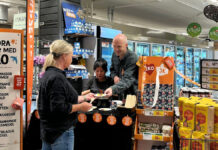
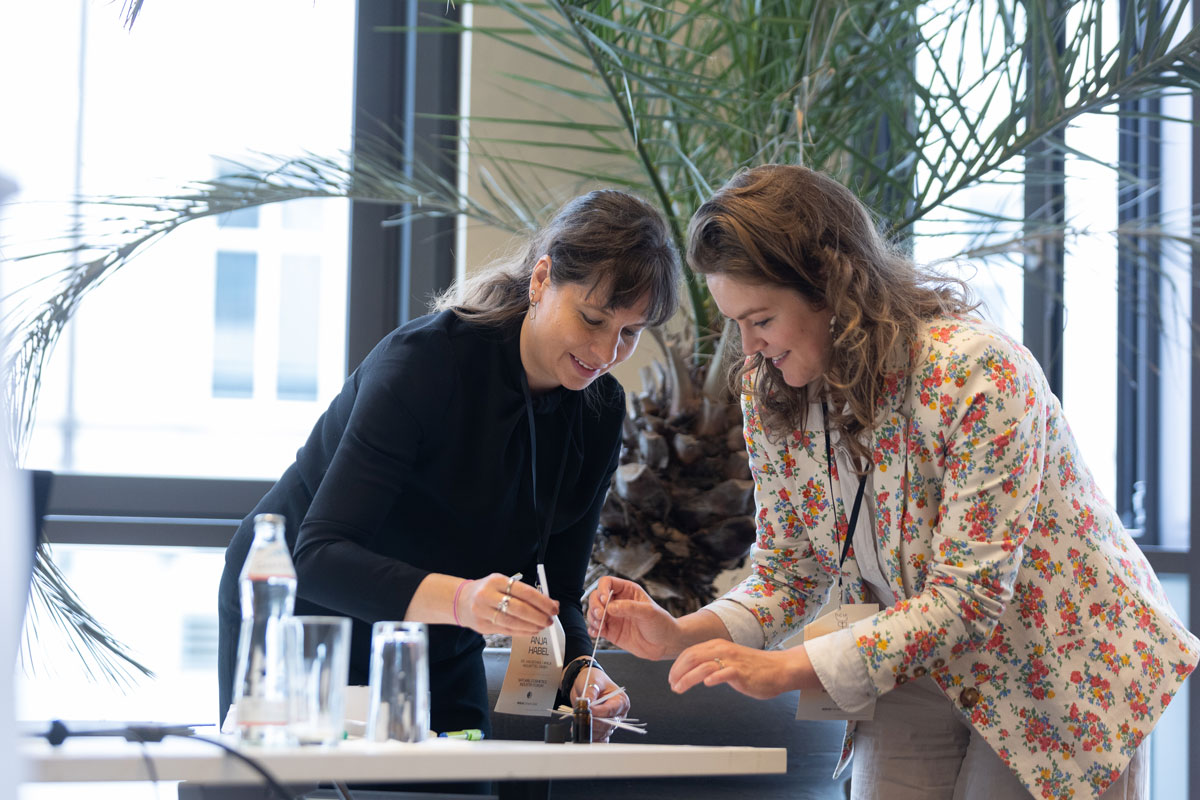
The Forum concluded with a masterclass on natural complex substances, presented by Prof. Dr. Florian Stintzing, President of NATRUE and CEO of WALA Heilmittel GmbH, offering participants a sensory experience with essential oils and plant-derived ingredients, including the opportunity to smell different essential oils and engage directly with their diversity and character.
The session introduced the concept of natural complex substances (NCS), defined as naturally occurring mixtures such as food or plant extracts, shaped and optimised by evolution. Using essential oils as a key example, the masterclass explained their nature as highly concentrated, volatile and aromatic plant extracts. Essential oils can be found across different plant parts, including flowers, leaves, peels, seeds, bark, roots and resins. Their composition is highly sensitive: even the absence of a single component can alter their overall properties.
Key Takeaways
The Natural Cosmetics Industry Forum 2026 concluded with a clear consensus: the natural cosmetics sector is entering a new phase in which sustainability is a baseline expectation, performance is essential, and science-driven innovation is central to future development.
NATRUE reaffirmed its commitment to supporting identity, innovation, information and industry engagement, highlighting the importance of evolution rather than disruption in the ongoing transformation of the sector.
The first edition of the Forum also underscored the importance of collaboration between science, industry and regulation in strengthening trust, transparency and innovation in natural and organic cosmetics.
Save the date: Building on this momentum, the second edition of the Natural Cosmetics Industry Forum will take place in Brussels on 1–2 June 2027, continuing the dialogue on the future of science, sustainability and performance in cosmetics.
- Further information about the event is available here.
Subscribe to Bio Eco Actual Newsletter and be up to date with the latest news from the Organic Sector
Bio Eco Actual, International Organic Newspaper
Read the Bio Eco Actual International Yearbok 2025 – Trends 2026