

Yesterday, the European Commission unveiled the Fertiliser Action Plan to address the consequences of the current geopolitical crisis on the rising
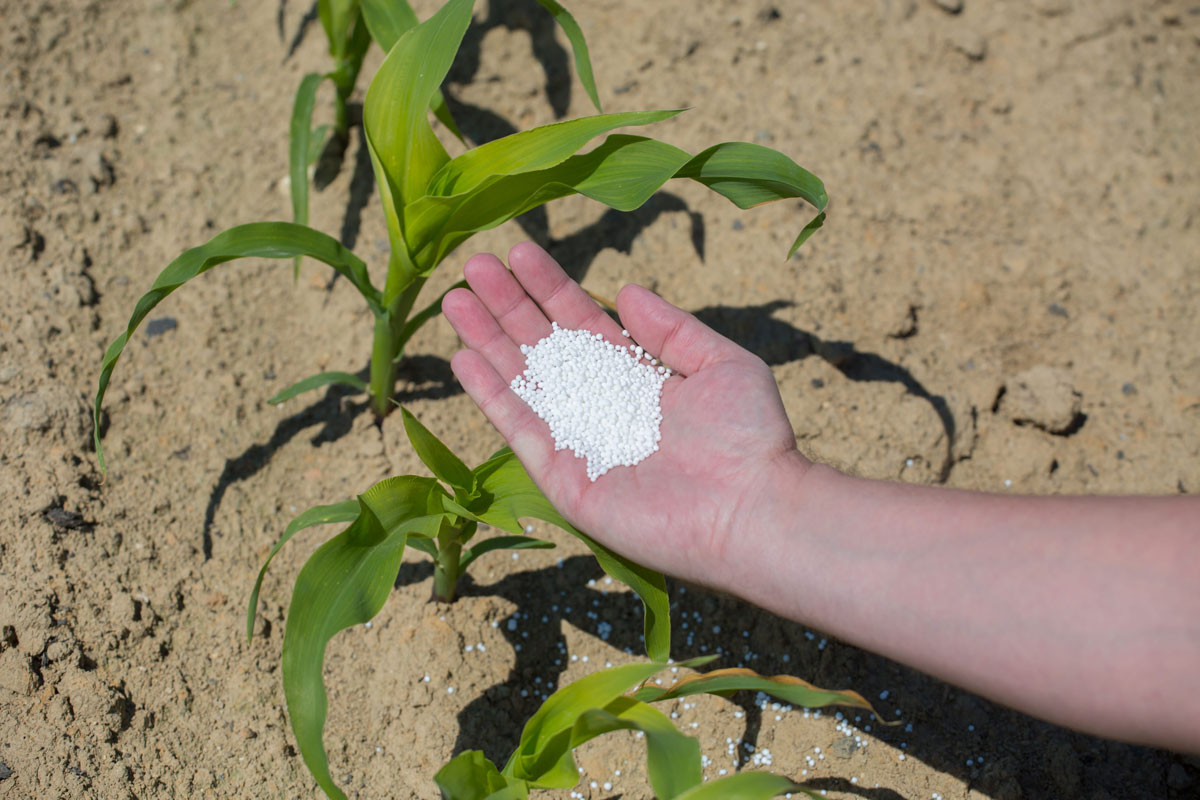
“Achieving 25% of organic land would decrease synthetic nitrogen fertiliser use by 2.7 million tonnes, that is 26% of the total that might be used without organic farming. This reflects the practical knowledge built by organic farmers in prioritising soil health, closing nutrient cycles and minimising dependence on external inputs, all while remaining economically
The Fertiliser Action plan’s recognition of organic farming as a nutrient-efficient farming system that must be enhanced and deployed at larger scale is therefore a positive outcome of the plan and a recognition of this expertise. The organic sector welcomes the Commission’s commitment to
However, the organic movement stresses that the Nitrates Directive must not be weakened under the guise of potential simplification.
“For organic farmers across Europe, the Nitrates Directive is a cornerstone for safeguarding the natural resources on which food production depends. The organic movement also questions measures aimed at diversifying synthetic fertiliser supply chains and strengthening domestic fertiliser production, as they risk maintaining dependency in the long term. Instead, efforts should focus on decreasing the production and use of synthetic fertilisers, whatever their origin, to truly address the root causes of structural dependencies”, said Eduardo Cuoco, Director of IFOAM Organics Europe.
- Further information www.organicseurope.bio
Subscribe to Bio Eco Actual Newsletter and be up to date with the latest news from the Organic Sector
Bio Eco Actual, International Organic Newspaper
Read the Bio Eco Actual International Yearbok 2025 – Trends 2026