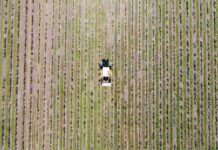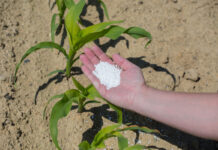


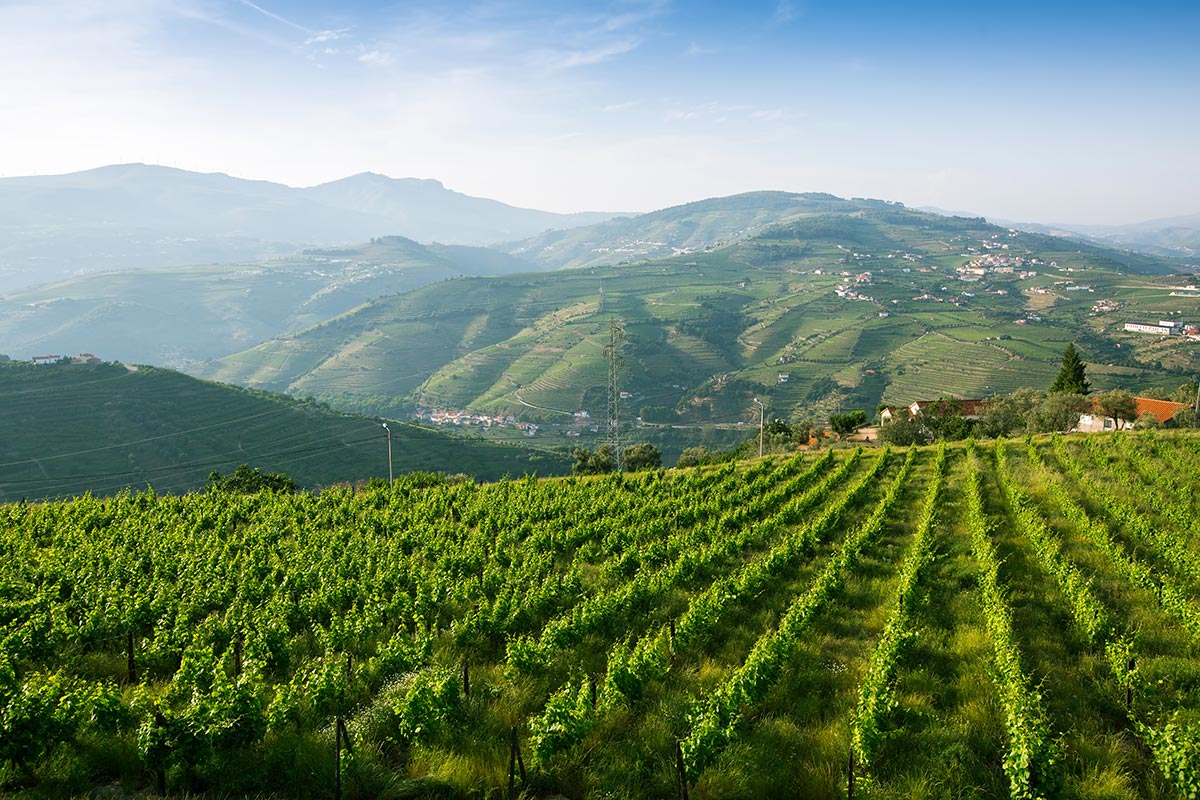
The area under organic farming represents 7% of the country’s utilised agricultural area (UAA), of which around 79% is located in the Alentejo and Beira Interior regions. The average size of organic farms is around 5 times greater than the average size of conventional farms.
The number of organic farmers has increased significantly in recent years. Olive groves, pastures, nuts, fruit growing and horticulture are the crops with the highest number of producers. With a population of over 10 million, sales of packaged organic products and beverages in Portugal were valued at €60.5 million.
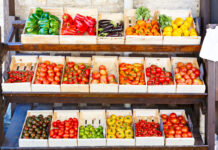
In recent years, the Lusitanian market has grown significantly, leading to the development of specialized distribution and organic markets (including those run by the Agrobio Association, which aim to facilitate access to organic products and encourage local production and consumption of fresh, seasonal produce).
Portuguese supermarkets are increasingly developing their range of organic products, notably under private labels. Very active chains began offering products as early as 2002.
Sales of packaged organic products and beverages in Portugal were valued at €60.5 million
Pingo Doce (Jeronimo Martins Group): with over 5,400 food stores in Poland, Colombia and Portugal. Leader in the supermarket and wholesale segments, with Recheio Cash & Carry.
With over 480 stores in 300 locations (mainland Portugal, Açores & Madeira), Pingo Doce operates a chain of supermarkets and integrates restaurant facilities in most of its stores. It has two central kitchens which in addition to the restaurants, also supply the stores’ takeaway operations.
Recheio, with 39 stores and 4 platforms, is the leading cashand-carry operator in Portugal, boasting the country’s widest geographical coverage.
The Jerónimo Martins Agro-Alimentar (JMA) division was created in 2014, with the aim of safeguarding the ability of the Group’s food retail businesses to directly supply strategic products, guaranteeing food safety and availability.
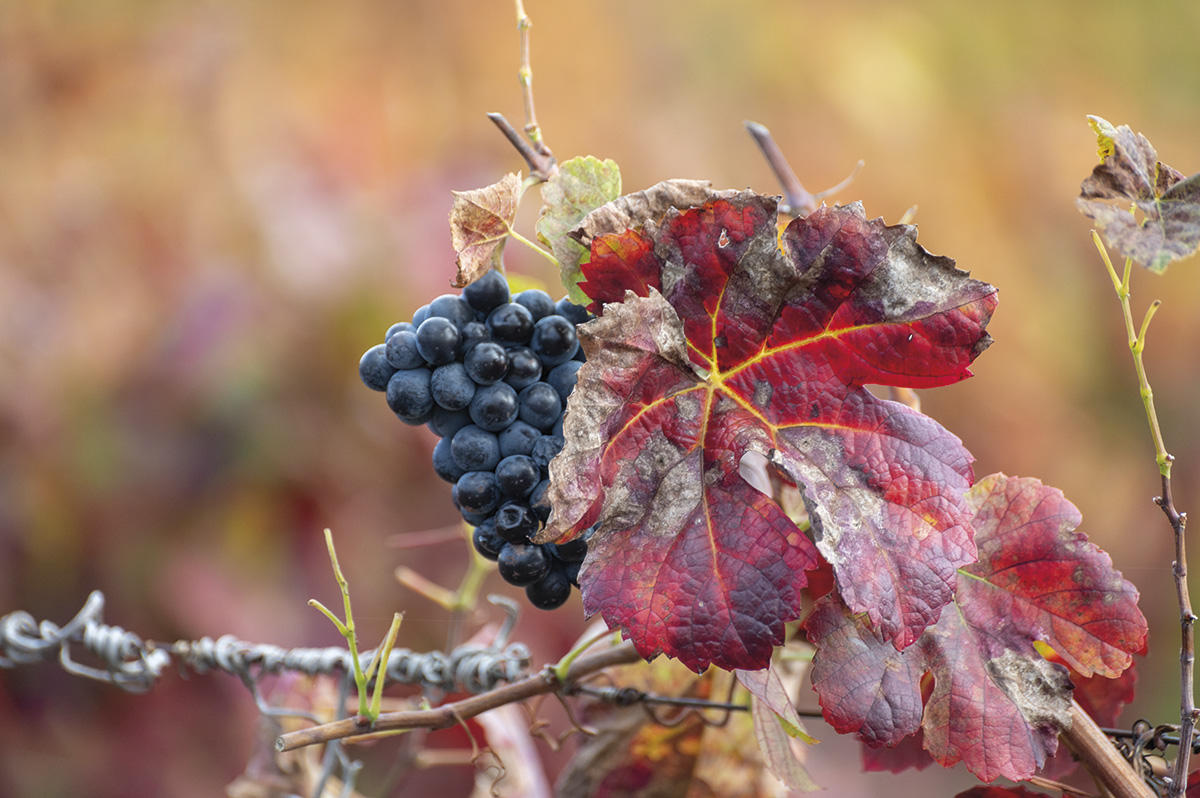
JMA operates in four business sectors: dairy, agriculture, aquaculture, fruit and vegetables. In 2020, JMA launched its fruit and vegetable business through a partnership for the production of organic seedless grapes, which will reach the market in 2023.
Also through a partnership, JMA will add the production of organic oranges to its portfolio. This will be the largest organic orange grove in Portugal, with the first harvest expected in 2025.
The conglomerate also has a presence in specialized retail with brands like Jeronymo (cafés) and Hussel (chocolates).
The average size of organic farms is around 5 times greater than the average size of conventional farms
Continente is a Portuguese hypermarket chain belonging to Sonae Distribuição, with 383 stores. In 2017, Sonae, through Sonae MC, acquired 100% ownership of the BRIO organic supermarket chain and a 51% stake in the company behind Go Natural. However, these ventures faced challenges, resulting in the closure of eight Go Natural supermarkets (seven in Lisbon, one in Porto) and its online store.
Intermarché Portugal: Les Mousquetaires group plans to invest €240 million in Portugal by 2029 and already has 265 Intermarché outlets in Portugal, with sales of €2.99 billion in 2023 & its organic private label: PorSi BIO.
In 2016 Mercadona, Spain’s leading retailer, announced that it was embarking on its first internationalization project, in Portugal.
Founded in 1977 by the Cárnicas Roig group, Mercadona has 1,617 stores, including 51 in Portugal. In Portugal, Mercadona plans to end the year with a total of 60 stores nationwide.
Hard discounters are also present in the organic niche: Lidl Portugal with its 270 sales outlets offers many organic products under its own brands, while Aldi Portugal (141 stores with plans to open up to 200) has increased its number of organic references by 48% in 2019 compared with 2018.
Minipreco (Auchan Portugal) offers organic products such as bananas, cookies, Kombucha…
The over-packaging of organic products in supermarkets is a significant obstacle to their development. A guide to good practice in the distribution of organic food products, prepared by APED (Portuguese Association of Distribution Companies) in partnership with DGADR (Directorate-General for Agriculture and Rural Development), is aimed at all operators in the distribution of organic food products.
Lusitanian specialized distribution: There are many small independent stores in the Lusitanian territory, with the first organic store opening in 1993.
The main chain of specialized organic stores is Celeiro, with 53 stores located mainly in major cities. Other chains include Bio Brassica in Braga, and MIOSÓTIS in Cascais and Lisbon.
Another distribution channel
Wholesalers, distributors and online sales: Bioatlântico, Circulo Bio, Merceariabio, Origens bio, Próvida, etc.
Authors: Gerard Gontier, Organic Market Expert
Subscribe at our Newsletter and be up to date with the latest news from the Organic Sector
Bio Eco Actual, Independent European Organic Press
Read Bio Eco Actual