
In Germany, plant-based foods are gaining ground in people’s diets. Driven by health and environmental concerns, the organic sector is consolidating its position as one of the main pillars of plant-based alternatives.
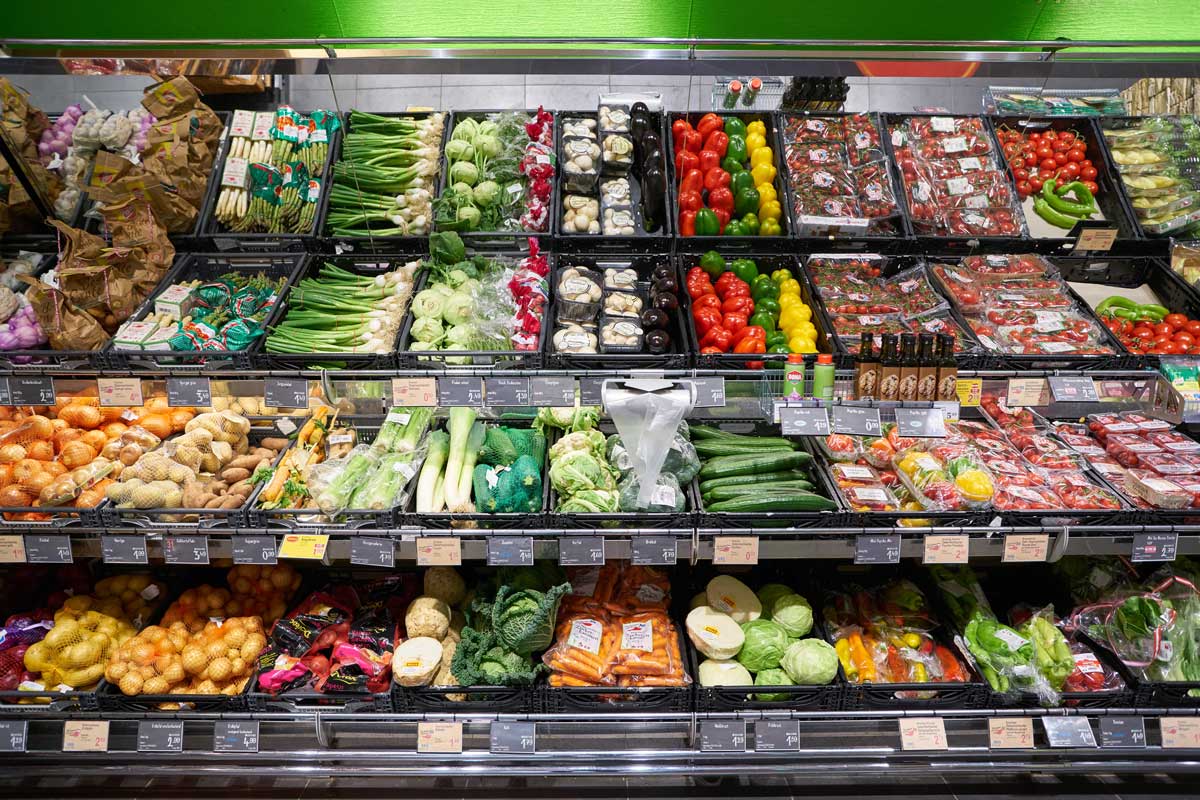
A booming German market driven by the organic sector
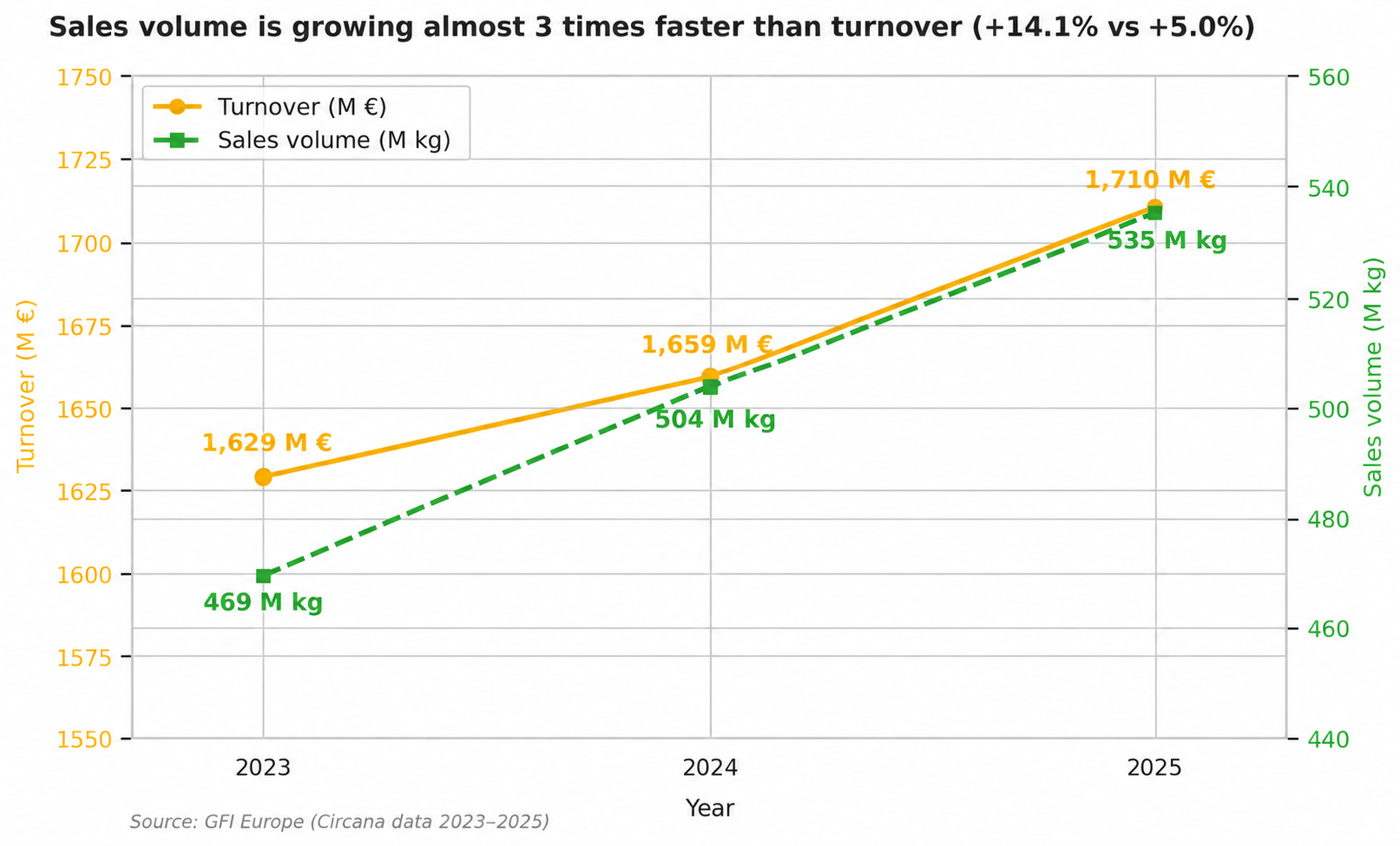
The German market for plant-based alternatives is the largest in Europe, with sales reaching €1.71 billion in 2025. At the heart of this trend, the organic sector plays a key role, although its presence varies depending on the degree of processing.
The success of organic plant-based drinks and tofu
Plant-based drinks, the true driving force of the sector, illustrate this success: around 61% of the volume sold is certified organic. This result can be explained, in part, by private-label brands, which are often more affordable than major conventional brands. Likewise, simple traditional products such as tofu have an organic share of 83%, supported by simple formulations and a highly competitive average price of €6.80/kg in 2025.
The challenge for the organic sector in ultra-processed plant-based alternatives
By contrast, ultra-processed alternatives struggle to make the transition to organic. The organic sector’s market share falls to just 4% for plant-based cold cuts, 7% for fillets and 16% for sausages.
These meat analogues use complex formulations and additives, making it more difficult to obtain organic certification in accordance with regulations. Germany is therefore structured around a two-tier offering: on the one hand, accessible organic products for everyday consumption (drinks, tofu); on the other, meat analogues intended for more occasional consumption, which continue to be largely dominated by the conventional sector.
- GFI Europe (2026): Entwicklung des Marktes für pflanzenbasierte Lebensmittel im deutschen Einzelhandel 2023-2025.
- BÖLW (Bund Ökologische Lebensmittelwirtschaft, 2023): Boom 2022: Pflanzliche Bio-Alternativen (data on the organic sector’s market shares in plant-based foods).
Key figures for the plant-based market
Below is a summary table of the figures included in the article.
| Key figure | Product category | Context and significance | Source |
|---|---|---|---|
| €1.71bn | Overall market | Total revenue generated by the six main categories of plant-based foods in German retail in 2025. | GFI Europe |
| 83% | Tofu, seitan and tempeh | Majority share of the organic sector in the sales volume of this traditional category. | BÖLW |
| 61% | Plant-based drinks | Organic sector market share by volume within milk substitutes (for example, oat, soy or almond drinks). | BÖLW |
| 16% | Plant-based sausages | Organic sector market share by volume for this type of meat analogue (Würstchen). | BÖLW |
| 7% | Fillets & escalopes | Organic sector market share by volume for meat analogue formats such as fillets, escalopes or similar products. | BÖLW |
| 4% | Plant-based cold cuts | Organic sector market share by volume for sliced cold-cut-style meat analogues (Wurst auf’s Brot). | BÖLW |
| €6.80 / kg | Tofu, seitan and tempeh | Highly competitive average price of these traditional alternatives in 2025 (compared with €14.35 / kg for complex meat analogues). | GFI Europe |
This article has been produced using information originally published by Bio Linéaires, the leading professional publication for specialist organic retail in France, with which Bio Eco Actual has an editorial collaboration agreement.

Subscribe to Bio Eco Actual Newsletter and be up to date with the latest news from the Organic Sector
Bio Eco Actual, International Organic Trade Media
Read the Bio Eco Actual International Yearbok 2025 – Trends 2026